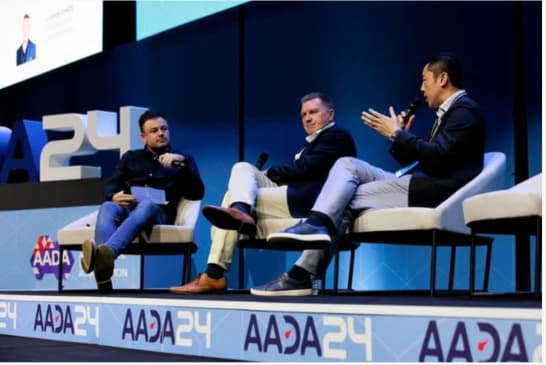
What if the most significant risk to your brand’s reputation isn’t a lack of creativity, but a failure of logistical precision? In a market where consumer attention is increasingly fragmented, a high-impact activation must do more than just look impressive; it must function with absolute reliability. You likely recognise the high-stakes pressure of delivering a measurable ROI while coordinating multiple vendors and navigating the complexities of Australian safety standards. Effective brand activation event planning requires a sophisticated balance between bold, creative vision and disciplined technical execution to ensure your message isn’t lost in the noise.
We understand that the fear of technical failures or regulatory oversights can overshadow even the most inspired concepts. This guide provides a comprehensive framework to master the art of strategic activations, ensuring your campaigns are both memorable and meticulously managed. You will learn how to build a scalable model for national rollouts that prioritises consumer engagement and brand recall. We will also examine the essential logistical pillars for 2026, including the transition to Workplace Exposure Limits (WEL) and the management of psychosocial hazards, providing you with a clear roadmap for seamless, professional execution across Australia.
Key Takeaways
- Transition from passive advertising to immersive, multi-sensory engagement that drives measurable consumer action in the 2026 landscape.
- Implement a disciplined five-step methodology for brand activation event planning, ensuring every creative decision is grounded in strategic objectives and audience mapping.
- Establish a robust logistical architecture to manage the complex moving parts of live public activations with absolute precision.
- Navigate high-stakes compliance and risk management requirements, drawing on frameworks used in rigorous government event planning to protect your brand reputation.
- Integrate sophisticated technical direction and AV management to ensure your creative vision is executed on-site without failure or compromise.
Table of Contents
Defining Brand Activation in the Modern Australian Landscape
Understanding What is Brand Activation? requires looking beyond mere visibility. It’s a strategic process designed to drive consumer action through immersive, tangible experiences. Within the framework of brand activation event planning, we view every interaction as an opportunity to solidify a brand’s position in the market. By 2026, the industry has moved decisively away from passive media. Success now depends on active, multi-sensory engagement where the brand isn’t just seen; it’s felt and experienced. Developing a robust brand activation strategy that bridges creative vision and logistical precision is the defining challenge for marketing leaders in this environment.
The Shift Toward Experiential Marketing
Consumers today prioritise tangible experiences over traditional product features. They want to be part of the story rather than just observers. This evolution is detailed in our analysis of <a
A Strategic Framework for Brand Activation Event Planning
Effective brand activation event planning is not the result of a single “stunt” or a fleeting moment of spectacle. Instead, it is a disciplined, multi-phased process that treats the activation as a core strategic pillar. For brands in technical sectors like energy and manufacturing, this planning often integrates the specialised B2B media expertise of BCM Public Relations to ensure the activation’s message reaches key industry decision-makers. To achieve a measurable return on investment, we employ a rigorous five-step methodology: Objective Setting, Audience Mapping, Concept Development, Logistical Design, and Execution. This structured approach ensures that creative ambition is always supported by logistical precision, providing a sense of order to even the most complex projects.
Part of this methodology involves selecting partners that enhance the overall brand narrative. For activations where sensory engagement is key, featuring premium, Australian-owned products like Byron Nuts – all about the flavour can elevate the consumer experience, ensuring the quality of the offering matches the strategic ambition of the campaign.
A results-oriented approach must begin at the initial briefing phase. Every decision made during the planning cycle should align with broader corporate event management goals to ensure the activation serves the overarching business strategy. Before the creative process begins, it is essential to define specific “Success Metrics.” These might include lead generation targets, social media engagement rates, or specific brand sentiment shifts. Without these benchmarks, even the most visually stunning activation lacks a clear purpose. Partnering with a team that prioritises this strategic event oversight ensures your brand remains the central focus throughout the project lifecycle.
Step 1: Identifying Core Objectives and Audience Personas
Step 2: Developing the Creative Concept
The creative concept must be both innovative and logistically feasible. We utilise brainstorming techniques that pressure-test ideas against technical constraints and budgetary realities early in the process. A concept that cannot be safely or reliably executed in a public space is a liability, not an asset. Storytelling plays a critical role here; it is the bridge that creates an emotional connection with the consumer. By grounding the creative vision in logistical reality—whether it’s an urban pop-up or a regional experience at a boutique location like Hidden Camp—we ensure the narrative remains consistent across every touchpoint. This disciplined approach to brand activation event planning prevents the creative vision from outpacing the practical requirements of the build. For a deeper exploration of how to align creative ambition with operational discipline, our guide to mastering brand activation strategy in 2026 provides a comprehensive roadmap for high-impact delivery.
The Logistical Architecture of High-Impact Activations
While creative styling captures initial attention, it is the logistical architecture that sustains it. Professional brand activation event planning relies on a foundation of operational discipline to ensure that every creative element functions as intended. Managing multiple moving parts in a live public environment requires more than just a vision; it demands a methodical approach to risk and resource management. This includes the strategic selection of catering partners; for brands seeking inspiration for fresh, natural beverage options, le jus demonstrates how premium smoothies and mocktails can elevate a public-facing event. Public spaces are inherently volatile. Factors such as changing weather conditions, fluctuating pedestrian flow, and local council regulations must be integrated into the primary planning phase to avoid disruption.
For brands requiring durable and weather-resistant soft signage that maintains its visual integrity in these challenging environments, Zodiac Event Displays provides high-impact marketing materials designed for professional event execution.
Similarly, when activations take place in more rugged or rural settings, the choice of equipment must reflect a high level of practical resilience. Brands that prioritise quality and durability, such as Feral Pony, provide the kind of reliable gear necessary to maintain a professional standard in challenging Australian conditions.
A steady, predictable project timeline is essential for maintaining order across the entire project lifecycle. We prioritise information density and clarity in our reporting, providing clients with transparent budget management and detailed cost tracking. This level of oversight ensures that resources are allocated efficiently, preventing the unforeseen expenses that often plague less disciplined executions. By establishing these financial and temporal guardrails early, we create a sense of security for stakeholders, allowing the creative team to push boundaries within a safe, controlled environment.
Site Selection and Infrastructure Planning
Choosing the right location involves a sophisticated analysis of foot traffic and target demographics. However, the physical site is only half of the equation. We meticulously plan the hidden infrastructure, including power distribution, water access, and high-speed connectivity. For complex, multi-day activations, the role of a conference logistics coordinator becomes vital. This specialist ensures that the site remains operational and safe throughout the event’s duration, managing the intricate flow of equipment and personnel without disrupting the consumer experience. Their expertise brings order to the “behind-the-scenes” elements that are often overlooked until a failure occurs.
Stakeholder and Supplier Coordination
Navigating Compliance, Risk, and Public Safety
The perceived risk of public activations often serves as the primary barrier for brands seeking to engage in high-traffic environments. Liability, safety failures, and regulatory non-compliance are legitimate concerns that require a disciplined, methodical response. Within the sphere of brand activation event planning, we treat risk management as a foundational element rather than an administrative afterthought. By applying the same rigorous standards found in government event planning, we ensure that every activation is both impactful and legally sound. This approach provides a sense of security to stakeholders, knowing that the brand’s reputation is protected by seasoned expertise.
Occupational Health and Safety (WHS) is a critical priority, particularly as we move toward new standards in late 2026. Australian workplaces must prepare for the transition to Workplace Exposure Limits (WEL) for airborne contaminants, effective 1 December 2026. Additionally, the national Code of Practice on Sexual and Gender-Based Harassment, established in March 2025, requires proactive prevention measures at every event site. Safe Work Australia’s 2026 theme, “Safe work is for life,” underscores our commitment to the long-term wellbeing of all participants and staff. For organisations requiring a disciplined approach to public safety, our professional brand activation services ensure complete compliance across all jurisdictions.
Regulatory Frameworks for Public Space Activations
Securing the necessary approvals is a complex process that varies significantly across Australia. Application fees reflect this diversity; for instance, a self-assessable event permit from the Brisbane City Council costs A$80.95, while a high-impact event application in the City of Perth incurs a fee of A$220. If your activation involves alcohol, you must navigate strict licensing laws, such as the NSW special event liquor license, which carries an A$815 processing fee for large-scale commercial events. We manage these details alongside noise ordinances, waste management protocols, and environmental impact assessments to ensure every structural element meets Australian engineering standards.
Comprehensive Risk Mitigation Strategies
Technical Execution and On-Site Production Excellence
Technical direction is the final, critical phase where creative ambition meets physical reality. In the context of brand activation event planning, this stage requires a disciplined technician’s eye to ensure the vision is delivered without compromise. We manage the integration of complex systems, ensuring that every element, from custom-built staging to interactive digital displays, operates with absolute reliability. A precise “Run of Show” acts as the navigational anchor for the live event, detailing every cue and transition with surgical accuracy. This level of on-site production excellence transforms a standard activation into a sophisticated brand experience that reflects the quality of your organisation.
Strategic AV management for events is central to this execution. By synchronising lighting, sound, and visual technology, we create a seamless environment that guides the consumer’s emotional journey. Precise timing during live hours is non-negotiable; even a minor technical delay can disrupt brand recall and diminish the activation’s impact. Our methodology prioritises a steady, results-oriented approach to technical delivery, ensuring that the technology enhances the human experience rather than distracting from it.
Integrating AV and Technical Direction
Measurement and Post-Event Analysis
The final phase of brand activation event planning is the rigorous assessment of performance against the success metrics established during the initial briefing. We implement a structured brand activation measurement framework to justify the investment and inform future strategy. This process involves collecting diverse data points, including lead capture rates, social media mentions, and consumer sentiment analysis. Following the event, we conduct a thorough debrief to identify specific successes and areas for future refinement. This commitment to post-event analysis ensures that every campaign contributes to a scalable, repeatable model for national success, providing the data-driven insights necessary for long-term brand growth.
Executing Your Vision with Logistical Precision
Achieving high-impact results in the 2026 experiential landscape requires a fusion of creative ambition and unshakeable operational discipline. We’ve explored how a structured approach to brand activation event planning ensures every touchpoint is grounded in strategic objectives and backed by a robust logistical architecture. From navigating the complexities of Australian council permits to managing sophisticated technical direction, the success of your activation depends on a methodical commitment to detail and safety. A well-executed campaign doesn’t just capture attention; it builds a lasting emotional connection through reliable, professional delivery.
When you’re ready to elevate your brand presence, you need a partner that acts as a “safe pair of hands” in high-pressure environments. With over 28 years of industry-leading experience, we provide unrivalled expertise in government and corporate compliance alongside comprehensive end-to-end national delivery. Partner with Fruitbowl Events Agency for your next high-impact brand activation and ensure your creative vision is supported by logistical excellence. We look forward to helping you create a seamless, professional experience that resonates with your audience and drives measurable growth.
Frequently Asked Questions
What is the primary difference between brand activation and traditional event planning?
The primary difference lies in the strategic objective; while traditional event planning focuses on the seamless hosting of a gathering, brand activation is specifically designed to drive consumer action and create long-term emotional resonance. It’s a proactive marketing tool that immerses the audience in the brand’s narrative to achieve measurable conversion or sentiment shifts. This requires a deeper integration of brand strategy into every logistical decision.
How much lead time is required to plan a national brand activation in Australia?
A successful national rollout typically requires a lead time of four to six months. This period allows for the rigorous coordination of site bookings, council permit approvals, and the custom fabrication of structural elements. Planning for multiple Australian jurisdictions simultaneously demands a methodical approach to ensure the logistical architecture remains robust and compliant across diverse geographic locations and regional requirements.
Can brand activations be scaled for different regions without losing brand consistency?
Scaling is achieved through a centralised brand activation event planning model that utilises standardised production kits and rigorous brand guidelines. By maintaining a single point of strategic oversight, you ensure that the consumer experience in a regional centre is identical to an execution in a major capital city. This disciplined approach prevents the dilution of the brand’s identity during national expansion.
What are the most common risks associated with public-facing brand activations?
The most common risks include technical failures, adverse weather conditions, and crowd safety concerns in high-traffic public zones. Managing these requires a comprehensive Risk Management Plan and unshakeable logistical precision. Failure to adhere to local ordinances or WHS regulations can lead to significant reputational damage and financial penalties, making professional oversight a critical requirement for high-stakes public campaigns.
How do you measure the ROI of a brand activation event?
ROI is measured by tracking pre-defined Key Performance Indicators (KPIs) such as direct lead generation, social media engagement rates, and post-event consumer sentiment analysis. By implementing a structured measurement framework, organisations can quantify the impact of the experience beyond simple attendance numbers. This data-driven approach justifies the initial investment and provides a clear roadmap for future strategic refinements and budget allocations.
What role does technical direction play in the success of an activation?
Technical direction acts as the bridge between creative ambition and physical reality, ensuring that all AV, lighting, and interactive elements operate without failure. It involves managing complex technical riders and implementing redundancy systems to prevent disruption during live hours. Precise technical execution is essential for maintaining the professional energy and immersive quality that defines a successful, high-impact activation.
Is it necessary to hire a specialist agency for brand activation event planning?
Engaging a specialist agency provides the “safe pair of hands” necessary to manage the multifaceted complexities of brand activation event planning. Specialists bring seasoned expertise in navigating Australian regulatory frameworks and managing diverse vendor networks with precision. This level of professional oversight significantly reduces the risk of technical or compliance failures that could compromise a high-stakes corporate mission.
How do you manage council permits and compliance for pop-up activations?
Managing permits requires early engagement with local authorities and a thorough understanding of regional fee structures, such as the A$220 high-impact fee in Perth or the A$80.95 permit in Brisbane. Compliance also involves adhering to strict WHS standards, including the 2026 transition to Workplace Exposure Limits. A methodical approach to documentation ensures all structural and safety requirements are met before the site goes live.
What if the most significant risk to your brand’s reputation isn’t a lack of creativity, but a failure of logistical precision? In a market where consumer attention is increasingly fragmented, a high-impact activation must do more than just look impressive; it must function with absolute reliability. You likely recognise the high-stakes pressure of delivering a measurable ROI while coordinating multiple vendors and navigating the complexities of Australian safety standards. Effective brand activation event planning requires a sophisticated balance between bold, creative vision and disciplined technical execution to ensure your message isn’t lost in the noise.
We understand that the fear of technical failures or regulatory oversights can overshadow even the most inspired concepts. This guide provides a comprehensive framework to master the art of strategic activations, ensuring your campaigns are both memorable and meticulously managed. You will learn how to build a scalable model for national rollouts that prioritises consumer engagement and brand recall. We will also examine the essential logistical pillars for 2026, including the transition to Workplace Exposure Limits (WEL) and the management of psychosocial hazards, providing you with a clear roadmap for seamless, professional execution across Australia.
Key Takeaways
- Transition from passive advertising to immersive, multi-sensory engagement that drives measurable consumer action in the 2026 landscape.
- Implement a disciplined five-step methodology for brand activation event planning, ensuring every creative decision is grounded in strategic objectives and audience mapping.
- Establish a robust logistical architecture to manage the complex moving parts of live public activations with absolute precision.
- Navigate high-stakes compliance and risk management requirements, drawing on frameworks used in rigorous government event planning to protect your brand reputation.
- Integrate sophisticated technical direction and AV management to ensure your creative vision is executed on-site without failure or compromise.
Table of Contents
Defining Brand Activation in the Modern Australian Landscape
Understanding What is Brand Activation? requires looking beyond mere visibility. It’s a strategic process designed to drive consumer action through immersive, tangible experiences. Within the framework of brand activation event planning, we view every interaction as an opportunity to solidify a brand’s position in the market. By 2026, the industry has moved decisively away from passive media. Success now depends on active, multi-sensory engagement where the brand isn’t just seen; it’s felt and experienced. Developing a robust brand activation strategy that bridges creative vision and logistical precision is the defining challenge for marketing leaders in this environment.
The Shift Toward Experiential Marketing
Consumers today prioritise tangible experiences over traditional product features. They want to be part of the story rather than just observers. This evolution is detailed in our analysis of <a
A Strategic Framework for Brand Activation Event Planning
Effective brand activation event planning is not the result of a single “stunt” or a fleeting moment of spectacle. Instead, it is a disciplined, multi-phased process that treats the activation as a core strategic pillar. For brands in technical sectors like energy and manufacturing, this planning often integrates the specialised B2B media expertise of BCM Public Relations to ensure the activation’s message reaches key industry decision-makers. To achieve a measurable return on investment, we employ a rigorous five-step methodology: Objective Setting, Audience Mapping, Concept Development, Logistical Design, and Execution. This structured approach ensures that creative ambition is always supported by logistical precision, providing a sense of order to even the most complex projects.
Part of this methodology involves selecting partners that enhance the overall brand narrative. For activations where sensory engagement is key, featuring premium, Australian-owned products like Byron Nuts – all about the flavour can elevate the consumer experience, ensuring the quality of the offering matches the strategic ambition of the campaign.
A results-oriented approach must begin at the initial briefing phase. Every decision made during the planning cycle should align with broader corporate event management goals to ensure the activation serves the overarching business strategy. Before the creative process begins, it is essential to define specific “Success Metrics.” These might include lead generation targets, social media engagement rates, or specific brand sentiment shifts. Without these benchmarks, even the most visually stunning activation lacks a clear purpose. Partnering with a team that prioritises this strategic event oversight ensures your brand remains the central focus throughout the project lifecycle.
Step 1: Identifying Core Objectives and Audience Personas
Step 2: Developing the Creative Concept
The creative concept must be both innovative and logistically feasible. We utilise brainstorming techniques that pressure-test ideas against technical constraints and budgetary realities early in the process. A concept that cannot be safely or reliably executed in a public space is a liability, not an asset. Storytelling plays a critical role here; it is the bridge that creates an emotional connection with the consumer. By grounding the creative vision in logistical reality—whether it’s an urban pop-up or a regional experience at a boutique location like Hidden Camp—we ensure the narrative remains consistent across every touchpoint. This disciplined approach to brand activation event planning prevents the creative vision from outpacing the practical requirements of the build. For a deeper exploration of how to align creative ambition with operational discipline, our guide to mastering brand activation strategy in 2026 provides a comprehensive roadmap for high-impact delivery.
The Logistical Architecture of High-Impact Activations
While creative styling captures initial attention, it is the logistical architecture that sustains it. Professional brand activation event planning relies on a foundation of operational discipline to ensure that every creative element functions as intended. Managing multiple moving parts in a live public environment requires more than just a vision; it demands a methodical approach to risk and resource management. This includes the strategic selection of catering partners; for brands seeking inspiration for fresh, natural beverage options, le jus demonstrates how premium smoothies and mocktails can elevate a public-facing event. Public spaces are inherently volatile. Factors such as changing weather conditions, fluctuating pedestrian flow, and local council regulations must be integrated into the primary planning phase to avoid disruption.
For brands requiring durable and weather-resistant soft signage that maintains its visual integrity in these challenging environments, Zodiac Event Displays provides high-impact marketing materials designed for professional event execution.
Similarly, when activations take place in more rugged or rural settings, the choice of equipment must reflect a high level of practical resilience. Brands that prioritise quality and durability, such as Feral Pony, provide the kind of reliable gear necessary to maintain a professional standard in challenging Australian conditions.
A steady, predictable project timeline is essential for maintaining order across the entire project lifecycle. We prioritise information density and clarity in our reporting, providing clients with transparent budget management and detailed cost tracking. This level of oversight ensures that resources are allocated efficiently, preventing the unforeseen expenses that often plague less disciplined executions. By establishing these financial and temporal guardrails early, we create a sense of security for stakeholders, allowing the creative team to push boundaries within a safe, controlled environment.
Site Selection and Infrastructure Planning
Choosing the right location involves a sophisticated analysis of foot traffic and target demographics. However, the physical site is only half of the equation. We meticulously plan the hidden infrastructure, including power distribution, water access, and high-speed connectivity. For complex, multi-day activations, the role of a conference logistics coordinator becomes vital. This specialist ensures that the site remains operational and safe throughout the event’s duration, managing the intricate flow of equipment and personnel without disrupting the consumer experience. Their expertise brings order to the “behind-the-scenes” elements that are often overlooked until a failure occurs.
Stakeholder and Supplier Coordination
Navigating Compliance, Risk, and Public Safety
The perceived risk of public activations often serves as the primary barrier for brands seeking to engage in high-traffic environments. Liability, safety failures, and regulatory non-compliance are legitimate concerns that require a disciplined, methodical response. Within the sphere of brand activation event planning, we treat risk management as a foundational element rather than an administrative afterthought. By applying the same rigorous standards found in government event planning, we ensure that every activation is both impactful and legally sound. This approach provides a sense of security to stakeholders, knowing that the brand’s reputation is protected by seasoned expertise.
Occupational Health and Safety (WHS) is a critical priority, particularly as we move toward new standards in late 2026. Australian workplaces must prepare for the transition to Workplace Exposure Limits (WEL) for airborne contaminants, effective 1 December 2026. Additionally, the national Code of Practice on Sexual and Gender-Based Harassment, established in March 2025, requires proactive prevention measures at every event site. Safe Work Australia’s 2026 theme, “Safe work is for life,” underscores our commitment to the long-term wellbeing of all participants and staff. For organisations requiring a disciplined approach to public safety, our professional brand activation services ensure complete compliance across all jurisdictions.
Regulatory Frameworks for Public Space Activations
Securing the necessary approvals is a complex process that varies significantly across Australia. Application fees reflect this diversity; for instance, a self-assessable event permit from the Brisbane City Council costs A$80.95, while a high-impact event application in the City of Perth incurs a fee of A$220. If your activation involves alcohol, you must navigate strict licensing laws, such as the NSW special event liquor license, which carries an A$815 processing fee for large-scale commercial events. We manage these details alongside noise ordinances, waste management protocols, and environmental impact assessments to ensure every structural element meets Australian engineering standards.
Comprehensive Risk Mitigation Strategies
Technical Execution and On-Site Production Excellence
Technical direction is the final, critical phase where creative ambition meets physical reality. In the context of brand activation event planning, this stage requires a disciplined technician’s eye to ensure the vision is delivered without compromise. We manage the integration of complex systems, ensuring that every element, from custom-built staging to interactive digital displays, operates with absolute reliability. A precise “Run of Show” acts as the navigational anchor for the live event, detailing every cue and transition with surgical accuracy. This level of on-site production excellence transforms a standard activation into a sophisticated brand experience that reflects the quality of your organisation.
Strategic AV management for events is central to this execution. By synchronising lighting, sound, and visual technology, we create a seamless environment that guides the consumer’s emotional journey. Precise timing during live hours is non-negotiable; even a minor technical delay can disrupt brand recall and diminish the activation’s impact. Our methodology prioritises a steady, results-oriented approach to technical delivery, ensuring that the technology enhances the human experience rather than distracting from it.
Integrating AV and Technical Direction
Measurement and Post-Event Analysis
The final phase of brand activation event planning is the rigorous assessment of performance against the success metrics established during the initial briefing. We implement a structured brand activation measurement framework to justify the investment and inform future strategy. This process involves collecting diverse data points, including lead capture rates, social media mentions, and consumer sentiment analysis. Following the event, we conduct a thorough debrief to identify specific successes and areas for future refinement. This commitment to post-event analysis ensures that every campaign contributes to a scalable, repeatable model for national success, providing the data-driven insights necessary for long-term brand growth.
Executing Your Vision with Logistical Precision
Achieving high-impact results in the 2026 experiential landscape requires a fusion of creative ambition and unshakeable operational discipline. We’ve explored how a structured approach to brand activation event planning ensures every touchpoint is grounded in strategic objectives and backed by a robust logistical architecture. From navigating the complexities of Australian council permits to managing sophisticated technical direction, the success of your activation depends on a methodical commitment to detail and safety. A well-executed campaign doesn’t just capture attention; it builds a lasting emotional connection through reliable, professional delivery.
When you’re ready to elevate your brand presence, you need a partner that acts as a “safe pair of hands” in high-pressure environments. With over 28 years of industry-leading experience, we provide unrivalled expertise in government and corporate compliance alongside comprehensive end-to-end national delivery. Partner with Fruitbowl Events Agency for your next high-impact brand activation and ensure your creative vision is supported by logistical excellence. We look forward to helping you create a seamless, professional experience that resonates with your audience and drives measurable growth.
Frequently Asked Questions
What is the primary difference between brand activation and traditional event planning?
The primary difference lies in the strategic objective; while traditional event planning focuses on the seamless hosting of a gathering, brand activation is specifically designed to drive consumer action and create long-term emotional resonance. It’s a proactive marketing tool that immerses the audience in the brand’s narrative to achieve measurable conversion or sentiment shifts. This requires a deeper integration of brand strategy into every logistical decision.
How much lead time is required to plan a national brand activation in Australia?
A successful national rollout typically requires a lead time of four to six months. This period allows for the rigorous coordination of site bookings, council permit approvals, and the custom fabrication of structural elements. Planning for multiple Australian jurisdictions simultaneously demands a methodical approach to ensure the logistical architecture remains robust and compliant across diverse geographic locations and regional requirements.
Can brand activations be scaled for different regions without losing brand consistency?
Scaling is achieved through a centralised brand activation event planning model that utilises standardised production kits and rigorous brand guidelines. By maintaining a single point of strategic oversight, you ensure that the consumer experience in a regional centre is identical to an execution in a major capital city. This disciplined approach prevents the dilution of the brand’s identity during national expansion.
What are the most common risks associated with public-facing brand activations?
The most common risks include technical failures, adverse weather conditions, and crowd safety concerns in high-traffic public zones. Managing these requires a comprehensive Risk Management Plan and unshakeable logistical precision. Failure to adhere to local ordinances or WHS regulations can lead to significant reputational damage and financial penalties, making professional oversight a critical requirement for high-stakes public campaigns.
How do you measure the ROI of a brand activation event?
ROI is measured by tracking pre-defined Key Performance Indicators (KPIs) such as direct lead generation, social media engagement rates, and post-event consumer sentiment analysis. By implementing a structured measurement framework, organisations can quantify the impact of the experience beyond simple attendance numbers. This data-driven approach justifies the initial investment and provides a clear roadmap for future strategic refinements and budget allocations.
What role does technical direction play in the success of an activation?
Technical direction acts as the bridge between creative ambition and physical reality, ensuring that all AV, lighting, and interactive elements operate without failure. It involves managing complex technical riders and implementing redundancy systems to prevent disruption during live hours. Precise technical execution is essential for maintaining the professional energy and immersive quality that defines a successful, high-impact activation.
Is it necessary to hire a specialist agency for brand activation event planning?
Engaging a specialist agency provides the “safe pair of hands” necessary to manage the multifaceted complexities of brand activation event planning. Specialists bring seasoned expertise in navigating Australian regulatory frameworks and managing diverse vendor networks with precision. This level of professional oversight significantly reduces the risk of technical or compliance failures that could compromise a high-stakes corporate mission.
How do you manage council permits and compliance for pop-up activations?
Managing permits requires early engagement with local authorities and a thorough understanding of regional fee structures, such as the A$220 high-impact fee in Perth or the A$80.95 permit in Brisbane. Compliance also involves adhering to strict WHS standards, including the 2026 transition to Workplace Exposure Limits. A methodical approach to documentation ensures all structural and safety requirements are met before the site goes live.
OUR BLOG
Event Insights & Expertise
Our blog is your go-to resource for all things events. From expert insights and the latest industry trends to practical planning tips, we share everything you need to deliver standout experiences.
Contact Us