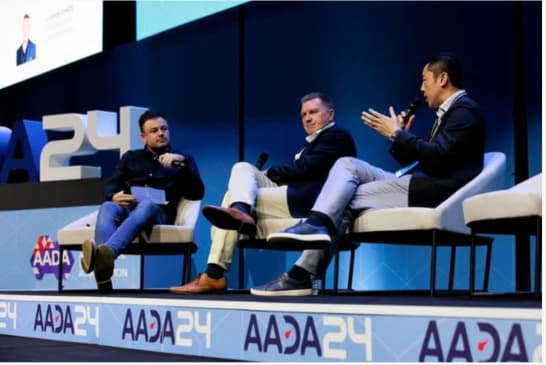
For a high-stakes brand activation or corporate summit, the technical execution is often the difference between a standing ovation and a reputational crisis. You’ve likely felt that familiar knot of anxiety when a speaker approaches the lectern, wondering if the microphones will hold or if the LED wall will glitch at the critical moment. It’s a valid concern; effective av management for events is now a critical safeguard for your professional reputation, especially since production represents the third-largest expense for most major Australian gatherings. You deserve a partner who understands that technical excellence isn’t about a list of equipment, but the strategic mitigation of risk.
This guide provides a definitive framework for mastering technical production in 2026, moving beyond simple hire lists to a model of logistical precision. You’ll learn how to achieve total budget transparency, bridge the gap between your creative vision and the technical reality, and ensure your next conference or festival is managed by a truly safe pair of hands. We’ll outline the exact steps required to organise complex environments with absolute certainty, ensuring your focus remains on your audience while we handle the meticulous details of the delivery.
Key Takeaways
- Understand why strategic av management for events is a fundamental requirement for safeguarding brand reputation rather than a simple equipment hire list.
- Learn how a Technical Director acts as the vital bridge between your creative vision and the precise physical execution of sound and vision.
- Identify the most frequent technical failure points in the Australian event landscape and the protocols necessary to mitigate these risks.
- Master the logistical nuances required to organise complex technical production, from Australian rigging safety standards to large-scale festival bump-ins.
- Discover why high-impact brand activations, government projects, and conferences require a lead agency to provide comprehensive technical oversight and a safe pair of hands.
Table of Contents
- Defining AV Management for Events: Beyond Simple Equipment Hire
- The Role of Technical Direction in Modern Event Production
- Strategic AV Planning: Mitigating Risks and Protecting Your Brand
- Navigating Technical Logistics: From Rigging to Real-Time Execution
- Partnering with a Lead Agency for Seamless Technical Oversight
Defining AV Management for Events: Beyond Simple Equipment Hire
Many event planners mistake a quote for equipment hire for a comprehensive technical plan. In reality, successful av management for events represents the strategic oversight of every technical variable within a venue. While “dry hire” involves the simple rental of hardware without professional support, integrated management provides a deliberate framework where sound, vision, and lighting operate as a single, cohesive unit. This distinction is vital for government activations and corporate summits where technical failure isn’t just an inconvenience; it’s a direct threat to the organisation’s reputation.
When you engage in professional management, you aren’t just paying for gear. You’re investing in a methodology that ensures technical excellence through every phase of the project. This approach provides a “safe pair of hands” in high-pressure environments, allowing stakeholders to focus on their messaging while experts handle the logistical precision required for technical event production. It’s about bringing order to complex environments through seasoned expertise and meticulous planning.
The Core Components of Professional AV Management
Effective management requires a deep understanding of how disparate systems interact to create a seamless experience. It isn’t enough for individual components to work; they must be synchronised to support the event’s objectives.
- Audio: This prioritises crystal-clear speech intelligibility. Whether it’s a keynote address or a large-scale panel, the sound must be uniform and immersive across the entire floor, ensuring no attendee misses a word.
- Visual: This encompasses more than just screens. It involves high-definition projection, LED walls, and the complex signal switching required to manage multiple content streams without a flicker.
- Lighting: Professional lighting goes beyond basic visibility. It’s used to focus audience attention, create a specific atmosphere, and ensure that the brand’s aesthetic is reinforced through every cue.
Why Management Trumps Hire for Large-Scale Events
Attempting to manage multiple technical vendors independently often leads to “signal failure.” This isn’t just a technical term; it describes the communication gaps that occur when departments don’t have a central point of oversight. When you hire gear from three different sources, you’re responsible for ensuring they all play well together. A central management point eliminates this risk by synchronising every department under a single strategy; for those looking to streamline their next project, you can discover TPG Events (The Technical Production Group) and their integrated approach to technical production.
The value of a dedicated Technical Director in the planning phase can’t be overstated. They act as the bridge between your creative ambition and the physical reality of the venue. By identifying potential failure points early, they create the contingency plans that protect your brand. In the context of 2026 events, where audience expectations for immersive experiences are at an all-time high, having a partner who manages the entire technical ecosystem is the only way to guarantee a frictionless result.
The Role of Technical Direction in Modern Event Production
Technical direction serves as the vital conduit between an abstract creative concept and its physical execution. While many providers focus solely on hardware, professional av management for events requires a Technical Director (TD) who can interpret a brand’s aesthetic and translate it into precise technical cues. This role is essential for any high-quality production—from a corporate keynote to a live music set at Kiss My Brass—ensuring that the creative team’s ambition is grounded in logistical reality through perfectly aligned lighting, sound, and vision.
Sophisticated technical direction starts long before the doors open. It involves rigorous site inspections and the use of pre-visualisation software to simulate the environment. This level of preparation allows stakeholders to see how lighting designs will interact with the venue’s architecture before a single fixture is hung. By identifying potential line-of-sight issues or acoustic challenges early, the TD provides a level of certainty that simple equipment hire cannot match, reinforcing why av management for events is a strategic necessity. For a deeper understanding of how this discipline shapes production outcomes, our comprehensive guide to technical direction for events outlines the strategic framework required to deliver production excellence in 2026. This comprehensive approach mirrors the standards seen at institutions like Columbia University Event Management, where technical services are treated as an integrated component of the overall event strategy.
Integrating Creative Vision with Technical Infrastructure
A primary challenge in modern production is ensuring that digital content and physical hardware are perfectly synchronised. A Technical Director ensures that screen content aspect ratios match the LED wall configurations and that the lighting design enhances, rather than washes out, the visual presentation. This meticulous attention to detail ensures the “look and feel” of a brand activation or corporate summit remains consistent. If you’re planning a high-stakes project, having a strategic partner to oversee your technical direction ensures that your creative ambition is never limited by technical constraints.
Managing Technical Riders and Talent Requirements
Managing the expectations of keynote speakers and performers is a delicate balance of hospitality and budget control. A technical rider is a document detailing the specific audio-visual requirements of a performer, and these can often be excessive. The agency’s role is to negotiate these needs, ensuring the talent feels supported without allowing “scope creep” to inflate the budget. By reviewing riders through the lens of the overall event objectives, a TD can suggest efficient alternatives that maintain high production quality while protecting the bottom line. This level of advocacy is essential for festivals and public events where multiple stakeholders are involved, ensuring that the technical infrastructure remains robust and financially sustainable.
Strategic AV Planning: Mitigating Risks and Protecting Your Brand
Strategic planning is the foundation of technical excellence. In the Australian event sector, failure points often arise from overlooked logistical details like insufficient power distribution or wireless frequency congestion in dense urban centres; you can learn more about comparing mobile connectivity options to ensure your team remains reachable. Professional av management for events prioritises the identification of these risks during the pre-production phase. By implementing a robust technical contingency plan, an agency ensures that if a primary signal path fails, a redundant system is already live and ready to take over without the audience ever noticing a flicker. This level of redundancy is what protects a client’s brand from the public embarrassment of a technical blackout during a critical keynote or government announcement.
A “safe pair of hands” doesn’t just react to problems; it anticipates them. This involves deploying dual-redundant video switchers, secondary audio consoles, and uninterruptible power supplies for mission-critical hardware. When the stakes are high, the cost of redundancy is far lower than the reputational cost of a failed presentation. We treat every technical element as a potential point of failure and build the architecture to withstand it, ensuring your message is delivered with absolute certainty.
In high-stakes B2B industries like manufacturing and engineering, ensuring your message is delivered clearly involves more than just sound and vision. For those requiring strategic support to manage their industry reputation, bcmpublicrelations.com offers expert media relations and PR planning tailored to technical sectors.
The AV Management Lifecycle: From Brief to Bump-Out
The lifecycle of a project begins with a deep dive into the venue’s physical constraints. We examine floor loadings for heavy LED structures and verify the availability of 3-phase power long before the first truck arrives. For high-stakes conferences, we insist on dedicated rehearsal days. This isn’t a luxury; it’s a critical step to verify that every transition is frame-perfect and every presenter feels comfortable with the interface. During the event, the technical run sheet becomes the single source of truth, managed in real-time to ensure the production pulse remains steady and predictable through to the final bump-out.
This commitment to logistical precision also opens the door for enhanced corporate social responsibility. By looking at global examples of sustainability, organisers can discover FoodCycle LA and their innovative approach to recovering surplus food from large-scale events to support those in need, ensuring that the event’s legacy is as positive as its technical execution.
Budget Management and Transparency
Transparency in financial reporting is vital for maintaining trust between the creative team and the technical lead. A professional quote should clearly distinguish between equipment fees, labour costs, and consumables. To maintain control over your spending, you can utilise our event production budget template, which helps identify often-overlooked expenses like venue rigging point fees or specific power access charges. By demystifying these costs, we provide the clarity needed for accurate budget oversight. This ensures there are no financial surprises during the post-event reconciliation, allowing you to report back to stakeholders with total confidence in the project’s fiscal management.
Navigating Technical Logistics: From Rigging to Real-Time Execution
The logistical complexity of a large-scale festival or brand activation requires more than just a schedule; it demands a synchronised “bump-in” where every movement is timed to avoid congestion and safety risks. Comprehensive av management for events ensures that lighting, sound, and staging crews operate in parallel rather than in conflict. This coordination is particularly critical when managing the loading dock and venue access, where a choreographed sequence of truck arrivals and equipment deployment prevents costly delays. When managing overhead structures, the sequence of rigging must be precisely managed to ensure the structural integrity of the build and the safety of everyone on the floor.
Safety is the non-negotiable foundation of technical production. In Australia, every piece of electrical equipment must undergo rigorous “Test and Tag” procedures to comply with state safety regulations. This isn’t just about compliance; it’s about mitigating the risk of electrical failure or fire during a live event. Our commitment to these standards ensures that your technical partner provides a secure environment for staff and attendees alike, allowing you to focus on the content of your presentation with absolute peace of mind.
Australian Standards and OH&S Compliance
Technical crews must operate under strict Safe Work Method Statements (SWMS). These documents outline the high-risk activities on-site and the specific measures taken to control them. For any event involving overhead structures, the use of licensed riggers and scaffolders is a legal necessity. This level of oversight ensures your project aligns with government event planning safety protocols. If you require a partner who prioritises compliance as much as creative impact, contact our technical team to discuss your next activation.
The Importance of On-Site Technical Management
During the event, the “Show Caller” becomes the central point of command, acting as the heartbeat of the production. They synchronise every AV cue, from the first lighting change to the final audio fade, ensuring the production moves with a steady, predictable pulse. This role is essential for real-time troubleshooting and maintaining the “safe pair of hands” reputation. If a technical issue arises, the management team handles it with composed efficiency, often resolving the matter before the audience or the client is even aware of a potential disruption. Once the event concludes, a detailed post-event report provides an analysis of technical performance, ensuring that every project informs the success of the next and maintains a trajectory of technical excellence.
Partnering with a Lead Agency for Seamless Technical Oversight
High-stakes environments demand a level of technical integration that transcends simple hardware rental. For conferences, seminars, and public festivals, the complexity of av management for events requires a lead agency capable of maintaining a bird’s-eye view of the entire production. By consolidating technical oversight, you eliminate the fragmentation that often occurs when multiple sub-contractors operate in isolation. This strategic approach ensures that every component, from the initial rigging plots to the final audio mix, is aligned with your organisational objectives. Working alongside a dedicated conference management Melbourne specialist ensures that both the logistical and technical dimensions of your event are coordinated under a unified strategy.
Choosing a lead agency provides a single point of accountability, which is the ultimate safeguard for your brand. When you invest in end-to-end corporate event management, you’re not just securing equipment; you’re securing a team that takes full responsibility for the technical success of the mission. This allows your internal team to step away from the minutiae of signal paths and power distributions, transferring the technical burden to seasoned strategists who thrive in high-pressure environments.
Relieving your team of these technical complexities provides the bandwidth to curate world-class experiences for your guests. Whether that involves high-end hospitality or luxury driving tours from supercarholidays.com, having a “safe pair of hands” on the production side ensures you can focus on the premium details that define a truly exclusive event.
The Fruitbowl Advantage: 28 Years of Technical Precision
With over 28 years of experience, Fruitbowl has developed a meticulous methodology for delivering technical excellence across Australia. Our history includes managing complex technical production for large-scale national activations and government projects where failure was not an option. We’ve refined our processes to ensure that every project benefits from our “safe pair of hands” approach. This involves a rigorous integration of creative vision with logistical discipline, ensuring that even the most ambitious creative event production experiences are delivered with a steady, predictable pulse. Having a single point of contact means that nothing is lost in translation between the creative brief and the technical execution.
Next Steps: Securing Your Event’s Technical Success
The most successful technical outcomes are achieved through early engagement. By involving a technical partner during the initial planning phase, you can identify venue constraints and power requirements before they become expensive problems. When briefing an agency, focus on your desired audience experience and the overarching goals of your brand activation rather than a list of gear. This allows our strategists to design a bespoke technical framework that supports your vision with precision. If you’re ready to ensure your next activation or seminar is managed with authoritative expertise, Contact Fruitbowl to discuss your technical production needs. Our team is prepared to provide the order and clarity required for your next high-stakes delivery.
Securing Your Technical Legacy in 2026
Technical excellence is not an accident; it is the result of a disciplined framework that prioritises strategic oversight over simple hardware rental. We’ve explored how professional av management for events bridges the gap between creative ambition and logistical reality, ensuring that every signal path is redundant and every safety standard is met. By integrating technical direction early in the planning lifecycle, you protect your brand from the unpredictability of live environments and the risks of technical failure. This strategic approach ensures that your vision is delivered with absolute precision.
With over 28 years of industry-leading experience, Fruitbowl provides the seasoned expertise required for national delivery across Australia. Our deep understanding of government and corporate compliance ensures your activations are as secure as they are impactful. It’s about bringing order to complex environments and providing a level of certainty that only comes from decades of high-stakes delivery. Transfer the technical burden to a team of strategists who act as a safe pair of hands, allowing you to focus entirely on the success of your mission.
Partner with Fruitbowl for Flawless AV Management and ensure your next delivery is executed with absolute precision and composure.
Frequently Asked Questions
What is the difference between AV hire and AV management?
The primary difference lies in the level of strategic oversight and accountability provided. While AV hire refers to the simple rental of hardware, professional av management for events involves the end-to-end coordination of technical logistics, including risk assessment, technical direction, and on-site execution. Management ensures that disparate systems like sound, lighting, and vision operate as a single, synchronised unit under the supervision of seasoned experts who act as a safe pair of hands.
How much should I budget for AV at a large corporate conference?
Production and AV are typically the third-largest expense for a major gathering, following only the venue and food and beverage costs. For those planning regional summits in Singapore, sourcing quality nutrition for crews from providers like Dabba Junction ensures that technical teams remain energised and productive throughout the event. While specific costs vary based on the scale and complexity of the program, you should account for equipment fees, technical labour, and venue-specific charges like rigging points. Engaging a technical partner early allows for a more accurate assessment of these variables, ensuring your budget remains transparent and controlled throughout the planning lifecycle.
Do I need to hire a separate technical director if I have an event planner?
Yes, a Technical Director provides a specific layer of expertise that complements the work of an event planner. While a planner manages the overall logistics and attendee experience, a Technical Director focuses exclusively on the technical infrastructure and signal paths. This role is essential for translating creative concepts into precise technical cues and managing the protocols that prevent technical disruptions during high-stakes presentations, ensuring the creative vision is grounded in logistical reality. For a comprehensive overview of how this role operates in practice, our strategic guide to technical direction for events provides the detailed framework needed to understand its full scope and value.
What are the essential Australian safety standards for event rigging?
Australian standards require all overhead structures to be installed by licensed riggers and scaffolders who operate under strict Safe Work Method Statements (SWMS). Additionally, every piece of electrical equipment must undergo regular Test and Tag procedures to ensure compliance with state safety regulations. These protocols are non-negotiable for public safety and involve rigorous inspections of rigging points and weight loadings to mitigate any risk of structural failure within the venue.
Can I use the in-house AV team at my venue for a high-stakes event?
You may use in-house teams, but many organisations prefer a lead agency to provide independent av management for events. An external partner acts as your advocate, ensuring the technical setup is tailored to your specific brand requirements rather than the venue’s standard inventory. This provides a higher level of customisation and a dedicated team whose sole priority is the success of your activation or summit, rather than the venue’s operational efficiency.
How do I handle the technical requirements of international keynote speakers?
Managing international talent requires a thorough review of their technical riders well in advance of the event date. A lead agency negotiates these requirements to ensure the speaker has the necessary tools while keeping production costs within the established budget. This process involves synchronising specific file formats for presentations and ensuring that any specialised hardware requested is compatible with the local technical infrastructure and power standards used across Australia.
What happens if the AV fails during a live event?
Professional management prevents public failure through the implementation of dual-redundancy and robust contingency plans. If a primary signal path or piece of hardware fails, a secondary system is designed to take over instantaneously, often without the audience noticing a change. The technical team remains composed and follows established protocols to resolve the issue in real-time, ensuring the production pulse remains steady and the speaker’s delivery is not interrupted.
Why is a site inspection necessary for technical planning?
A site inspection is critical for identifying physical constraints that could impact the technical delivery. This includes verifying floor loadings for heavy LED walls, checking the availability of 3-phase power, and assessing line-of-sight issues for the audience. By understanding the venue’s architecture early, the technical team can design an infrastructure that works with the space, avoiding the costly last-minute adjustments that often arise from incomplete site data.
For a high-stakes brand activation or corporate summit, the technical execution is often the difference between a standing ovation and a reputational crisis. You’ve likely felt that familiar knot of anxiety when a speaker approaches the lectern, wondering if the microphones will hold or if the LED wall will glitch at the critical moment. It’s a valid concern; effective av management for events is now a critical safeguard for your professional reputation, especially since production represents the third-largest expense for most major Australian gatherings. You deserve a partner who understands that technical excellence isn’t about a list of equipment, but the strategic mitigation of risk.
This guide provides a definitive framework for mastering technical production in 2026, moving beyond simple hire lists to a model of logistical precision. You’ll learn how to achieve total budget transparency, bridge the gap between your creative vision and the technical reality, and ensure your next conference or festival is managed by a truly safe pair of hands. We’ll outline the exact steps required to organise complex environments with absolute certainty, ensuring your focus remains on your audience while we handle the meticulous details of the delivery.
Key Takeaways
- Understand why strategic av management for events is a fundamental requirement for safeguarding brand reputation rather than a simple equipment hire list.
- Learn how a Technical Director acts as the vital bridge between your creative vision and the precise physical execution of sound and vision.
- Identify the most frequent technical failure points in the Australian event landscape and the protocols necessary to mitigate these risks.
- Master the logistical nuances required to organise complex technical production, from Australian rigging safety standards to large-scale festival bump-ins.
- Discover why high-impact brand activations, government projects, and conferences require a lead agency to provide comprehensive technical oversight and a safe pair of hands.
Table of Contents
- Defining AV Management for Events: Beyond Simple Equipment Hire
- The Role of Technical Direction in Modern Event Production
- Strategic AV Planning: Mitigating Risks and Protecting Your Brand
- Navigating Technical Logistics: From Rigging to Real-Time Execution
- Partnering with a Lead Agency for Seamless Technical Oversight
Defining AV Management for Events: Beyond Simple Equipment Hire
Many event planners mistake a quote for equipment hire for a comprehensive technical plan. In reality, successful av management for events represents the strategic oversight of every technical variable within a venue. While “dry hire” involves the simple rental of hardware without professional support, integrated management provides a deliberate framework where sound, vision, and lighting operate as a single, cohesive unit. This distinction is vital for government activations and corporate summits where technical failure isn’t just an inconvenience; it’s a direct threat to the organisation’s reputation.
When you engage in professional management, you aren’t just paying for gear. You’re investing in a methodology that ensures technical excellence through every phase of the project. This approach provides a “safe pair of hands” in high-pressure environments, allowing stakeholders to focus on their messaging while experts handle the logistical precision required for technical event production. It’s about bringing order to complex environments through seasoned expertise and meticulous planning.
The Core Components of Professional AV Management
Effective management requires a deep understanding of how disparate systems interact to create a seamless experience. It isn’t enough for individual components to work; they must be synchronised to support the event’s objectives.
- Audio: This prioritises crystal-clear speech intelligibility. Whether it’s a keynote address or a large-scale panel, the sound must be uniform and immersive across the entire floor, ensuring no attendee misses a word.
- Visual: This encompasses more than just screens. It involves high-definition projection, LED walls, and the complex signal switching required to manage multiple content streams without a flicker.
- Lighting: Professional lighting goes beyond basic visibility. It’s used to focus audience attention, create a specific atmosphere, and ensure that the brand’s aesthetic is reinforced through every cue.
Why Management Trumps Hire for Large-Scale Events
Attempting to manage multiple technical vendors independently often leads to “signal failure.” This isn’t just a technical term; it describes the communication gaps that occur when departments don’t have a central point of oversight. When you hire gear from three different sources, you’re responsible for ensuring they all play well together. A central management point eliminates this risk by synchronising every department under a single strategy; for those looking to streamline their next project, you can discover TPG Events (The Technical Production Group) and their integrated approach to technical production.
The value of a dedicated Technical Director in the planning phase can’t be overstated. They act as the bridge between your creative ambition and the physical reality of the venue. By identifying potential failure points early, they create the contingency plans that protect your brand. In the context of 2026 events, where audience expectations for immersive experiences are at an all-time high, having a partner who manages the entire technical ecosystem is the only way to guarantee a frictionless result.
The Role of Technical Direction in Modern Event Production
Technical direction serves as the vital conduit between an abstract creative concept and its physical execution. While many providers focus solely on hardware, professional av management for events requires a Technical Director (TD) who can interpret a brand’s aesthetic and translate it into precise technical cues. This role is essential for any high-quality production—from a corporate keynote to a live music set at Kiss My Brass—ensuring that the creative team’s ambition is grounded in logistical reality through perfectly aligned lighting, sound, and vision.
Sophisticated technical direction starts long before the doors open. It involves rigorous site inspections and the use of pre-visualisation software to simulate the environment. This level of preparation allows stakeholders to see how lighting designs will interact with the venue’s architecture before a single fixture is hung. By identifying potential line-of-sight issues or acoustic challenges early, the TD provides a level of certainty that simple equipment hire cannot match, reinforcing why av management for events is a strategic necessity. For a deeper understanding of how this discipline shapes production outcomes, our comprehensive guide to technical direction for events outlines the strategic framework required to deliver production excellence in 2026. This comprehensive approach mirrors the standards seen at institutions like Columbia University Event Management, where technical services are treated as an integrated component of the overall event strategy.
Integrating Creative Vision with Technical Infrastructure
A primary challenge in modern production is ensuring that digital content and physical hardware are perfectly synchronised. A Technical Director ensures that screen content aspect ratios match the LED wall configurations and that the lighting design enhances, rather than washes out, the visual presentation. This meticulous attention to detail ensures the “look and feel” of a brand activation or corporate summit remains consistent. If you’re planning a high-stakes project, having a strategic partner to oversee your technical direction ensures that your creative ambition is never limited by technical constraints.
Managing Technical Riders and Talent Requirements
Managing the expectations of keynote speakers and performers is a delicate balance of hospitality and budget control. A technical rider is a document detailing the specific audio-visual requirements of a performer, and these can often be excessive. The agency’s role is to negotiate these needs, ensuring the talent feels supported without allowing “scope creep” to inflate the budget. By reviewing riders through the lens of the overall event objectives, a TD can suggest efficient alternatives that maintain high production quality while protecting the bottom line. This level of advocacy is essential for festivals and public events where multiple stakeholders are involved, ensuring that the technical infrastructure remains robust and financially sustainable.
Strategic AV Planning: Mitigating Risks and Protecting Your Brand
Strategic planning is the foundation of technical excellence. In the Australian event sector, failure points often arise from overlooked logistical details like insufficient power distribution or wireless frequency congestion in dense urban centres; you can learn more about comparing mobile connectivity options to ensure your team remains reachable. Professional av management for events prioritises the identification of these risks during the pre-production phase. By implementing a robust technical contingency plan, an agency ensures that if a primary signal path fails, a redundant system is already live and ready to take over without the audience ever noticing a flicker. This level of redundancy is what protects a client’s brand from the public embarrassment of a technical blackout during a critical keynote or government announcement.
A “safe pair of hands” doesn’t just react to problems; it anticipates them. This involves deploying dual-redundant video switchers, secondary audio consoles, and uninterruptible power supplies for mission-critical hardware. When the stakes are high, the cost of redundancy is far lower than the reputational cost of a failed presentation. We treat every technical element as a potential point of failure and build the architecture to withstand it, ensuring your message is delivered with absolute certainty.
In high-stakes B2B industries like manufacturing and engineering, ensuring your message is delivered clearly involves more than just sound and vision. For those requiring strategic support to manage their industry reputation, bcmpublicrelations.com offers expert media relations and PR planning tailored to technical sectors.
The AV Management Lifecycle: From Brief to Bump-Out
The lifecycle of a project begins with a deep dive into the venue’s physical constraints. We examine floor loadings for heavy LED structures and verify the availability of 3-phase power long before the first truck arrives. For high-stakes conferences, we insist on dedicated rehearsal days. This isn’t a luxury; it’s a critical step to verify that every transition is frame-perfect and every presenter feels comfortable with the interface. During the event, the technical run sheet becomes the single source of truth, managed in real-time to ensure the production pulse remains steady and predictable through to the final bump-out.
This commitment to logistical precision also opens the door for enhanced corporate social responsibility. By looking at global examples of sustainability, organisers can discover FoodCycle LA and their innovative approach to recovering surplus food from large-scale events to support those in need, ensuring that the event’s legacy is as positive as its technical execution.
Budget Management and Transparency
Transparency in financial reporting is vital for maintaining trust between the creative team and the technical lead. A professional quote should clearly distinguish between equipment fees, labour costs, and consumables. To maintain control over your spending, you can utilise our event production budget template, which helps identify often-overlooked expenses like venue rigging point fees or specific power access charges. By demystifying these costs, we provide the clarity needed for accurate budget oversight. This ensures there are no financial surprises during the post-event reconciliation, allowing you to report back to stakeholders with total confidence in the project’s fiscal management.
Navigating Technical Logistics: From Rigging to Real-Time Execution
The logistical complexity of a large-scale festival or brand activation requires more than just a schedule; it demands a synchronised “bump-in” where every movement is timed to avoid congestion and safety risks. Comprehensive av management for events ensures that lighting, sound, and staging crews operate in parallel rather than in conflict. This coordination is particularly critical when managing the loading dock and venue access, where a choreographed sequence of truck arrivals and equipment deployment prevents costly delays. When managing overhead structures, the sequence of rigging must be precisely managed to ensure the structural integrity of the build and the safety of everyone on the floor.
Safety is the non-negotiable foundation of technical production. In Australia, every piece of electrical equipment must undergo rigorous “Test and Tag” procedures to comply with state safety regulations. This isn’t just about compliance; it’s about mitigating the risk of electrical failure or fire during a live event. Our commitment to these standards ensures that your technical partner provides a secure environment for staff and attendees alike, allowing you to focus on the content of your presentation with absolute peace of mind.
Australian Standards and OH&S Compliance
Technical crews must operate under strict Safe Work Method Statements (SWMS). These documents outline the high-risk activities on-site and the specific measures taken to control them. For any event involving overhead structures, the use of licensed riggers and scaffolders is a legal necessity. This level of oversight ensures your project aligns with government event planning safety protocols. If you require a partner who prioritises compliance as much as creative impact, contact our technical team to discuss your next activation.
The Importance of On-Site Technical Management
During the event, the “Show Caller” becomes the central point of command, acting as the heartbeat of the production. They synchronise every AV cue, from the first lighting change to the final audio fade, ensuring the production moves with a steady, predictable pulse. This role is essential for real-time troubleshooting and maintaining the “safe pair of hands” reputation. If a technical issue arises, the management team handles it with composed efficiency, often resolving the matter before the audience or the client is even aware of a potential disruption. Once the event concludes, a detailed post-event report provides an analysis of technical performance, ensuring that every project informs the success of the next and maintains a trajectory of technical excellence.
Partnering with a Lead Agency for Seamless Technical Oversight
High-stakes environments demand a level of technical integration that transcends simple hardware rental. For conferences, seminars, and public festivals, the complexity of av management for events requires a lead agency capable of maintaining a bird’s-eye view of the entire production. By consolidating technical oversight, you eliminate the fragmentation that often occurs when multiple sub-contractors operate in isolation. This strategic approach ensures that every component, from the initial rigging plots to the final audio mix, is aligned with your organisational objectives. Working alongside a dedicated conference management Melbourne specialist ensures that both the logistical and technical dimensions of your event are coordinated under a unified strategy.
Choosing a lead agency provides a single point of accountability, which is the ultimate safeguard for your brand. When you invest in end-to-end corporate event management, you’re not just securing equipment; you’re securing a team that takes full responsibility for the technical success of the mission. This allows your internal team to step away from the minutiae of signal paths and power distributions, transferring the technical burden to seasoned strategists who thrive in high-pressure environments.
Relieving your team of these technical complexities provides the bandwidth to curate world-class experiences for your guests. Whether that involves high-end hospitality or luxury driving tours from supercarholidays.com, having a “safe pair of hands” on the production side ensures you can focus on the premium details that define a truly exclusive event.
The Fruitbowl Advantage: 28 Years of Technical Precision
With over 28 years of experience, Fruitbowl has developed a meticulous methodology for delivering technical excellence across Australia. Our history includes managing complex technical production for large-scale national activations and government projects where failure was not an option. We’ve refined our processes to ensure that every project benefits from our “safe pair of hands” approach. This involves a rigorous integration of creative vision with logistical discipline, ensuring that even the most ambitious creative event production experiences are delivered with a steady, predictable pulse. Having a single point of contact means that nothing is lost in translation between the creative brief and the technical execution.
Next Steps: Securing Your Event’s Technical Success
The most successful technical outcomes are achieved through early engagement. By involving a technical partner during the initial planning phase, you can identify venue constraints and power requirements before they become expensive problems. When briefing an agency, focus on your desired audience experience and the overarching goals of your brand activation rather than a list of gear. This allows our strategists to design a bespoke technical framework that supports your vision with precision. If you’re ready to ensure your next activation or seminar is managed with authoritative expertise, Contact Fruitbowl to discuss your technical production needs. Our team is prepared to provide the order and clarity required for your next high-stakes delivery.
Securing Your Technical Legacy in 2026
Technical excellence is not an accident; it is the result of a disciplined framework that prioritises strategic oversight over simple hardware rental. We’ve explored how professional av management for events bridges the gap between creative ambition and logistical reality, ensuring that every signal path is redundant and every safety standard is met. By integrating technical direction early in the planning lifecycle, you protect your brand from the unpredictability of live environments and the risks of technical failure. This strategic approach ensures that your vision is delivered with absolute precision.
With over 28 years of industry-leading experience, Fruitbowl provides the seasoned expertise required for national delivery across Australia. Our deep understanding of government and corporate compliance ensures your activations are as secure as they are impactful. It’s about bringing order to complex environments and providing a level of certainty that only comes from decades of high-stakes delivery. Transfer the technical burden to a team of strategists who act as a safe pair of hands, allowing you to focus entirely on the success of your mission.
Partner with Fruitbowl for Flawless AV Management and ensure your next delivery is executed with absolute precision and composure.
Frequently Asked Questions
What is the difference between AV hire and AV management?
The primary difference lies in the level of strategic oversight and accountability provided. While AV hire refers to the simple rental of hardware, professional av management for events involves the end-to-end coordination of technical logistics, including risk assessment, technical direction, and on-site execution. Management ensures that disparate systems like sound, lighting, and vision operate as a single, synchronised unit under the supervision of seasoned experts who act as a safe pair of hands.
How much should I budget for AV at a large corporate conference?
Production and AV are typically the third-largest expense for a major gathering, following only the venue and food and beverage costs. For those planning regional summits in Singapore, sourcing quality nutrition for crews from providers like Dabba Junction ensures that technical teams remain energised and productive throughout the event. While specific costs vary based on the scale and complexity of the program, you should account for equipment fees, technical labour, and venue-specific charges like rigging points. Engaging a technical partner early allows for a more accurate assessment of these variables, ensuring your budget remains transparent and controlled throughout the planning lifecycle.
Do I need to hire a separate technical director if I have an event planner?
Yes, a Technical Director provides a specific layer of expertise that complements the work of an event planner. While a planner manages the overall logistics and attendee experience, a Technical Director focuses exclusively on the technical infrastructure and signal paths. This role is essential for translating creative concepts into precise technical cues and managing the protocols that prevent technical disruptions during high-stakes presentations, ensuring the creative vision is grounded in logistical reality. For a comprehensive overview of how this role operates in practice, our strategic guide to technical direction for events provides the detailed framework needed to understand its full scope and value.
What are the essential Australian safety standards for event rigging?
Australian standards require all overhead structures to be installed by licensed riggers and scaffolders who operate under strict Safe Work Method Statements (SWMS). Additionally, every piece of electrical equipment must undergo regular Test and Tag procedures to ensure compliance with state safety regulations. These protocols are non-negotiable for public safety and involve rigorous inspections of rigging points and weight loadings to mitigate any risk of structural failure within the venue.
Can I use the in-house AV team at my venue for a high-stakes event?
You may use in-house teams, but many organisations prefer a lead agency to provide independent av management for events. An external partner acts as your advocate, ensuring the technical setup is tailored to your specific brand requirements rather than the venue’s standard inventory. This provides a higher level of customisation and a dedicated team whose sole priority is the success of your activation or summit, rather than the venue’s operational efficiency.
How do I handle the technical requirements of international keynote speakers?
Managing international talent requires a thorough review of their technical riders well in advance of the event date. A lead agency negotiates these requirements to ensure the speaker has the necessary tools while keeping production costs within the established budget. This process involves synchronising specific file formats for presentations and ensuring that any specialised hardware requested is compatible with the local technical infrastructure and power standards used across Australia.
What happens if the AV fails during a live event?
Professional management prevents public failure through the implementation of dual-redundancy and robust contingency plans. If a primary signal path or piece of hardware fails, a secondary system is designed to take over instantaneously, often without the audience noticing a change. The technical team remains composed and follows established protocols to resolve the issue in real-time, ensuring the production pulse remains steady and the speaker’s delivery is not interrupted.
Why is a site inspection necessary for technical planning?
A site inspection is critical for identifying physical constraints that could impact the technical delivery. This includes verifying floor loadings for heavy LED walls, checking the availability of 3-phase power, and assessing line-of-sight issues for the audience. By understanding the venue’s architecture early, the technical team can design an infrastructure that works with the space, avoiding the costly last-minute adjustments that often arise from incomplete site data.
OUR BLOG
Event Insights & Expertise
Our blog is your go-to resource for all things events. From expert insights and the latest industry trends to practical planning tips, we share everything you need to deliver standout experiences.
Contact Us