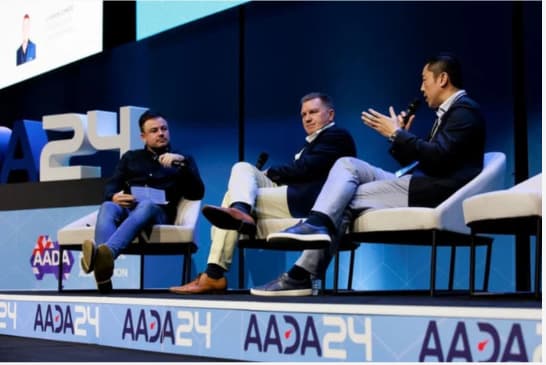
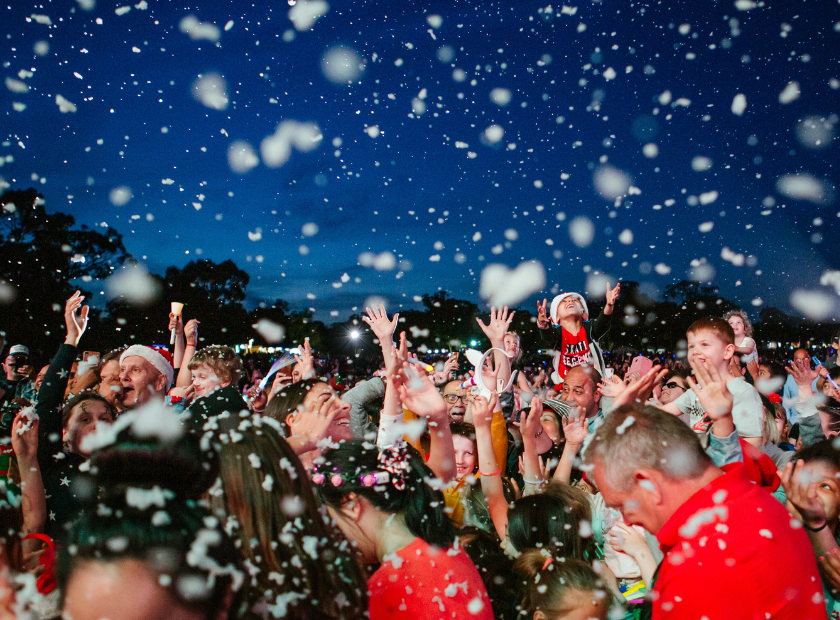
The strongest brand activations give people a reason to interact with a brand, not just notice its logo. Unique brand activation ideas can turn a public space, useful giveaway or social media prompt into a memorable experience when they reflect the audience and campaign objective. Make participation easy and give people a natural reason to share.
A bold installation may attract attention, but relevance makes an experience worthwhile to the people it is designed for. The same applies to giveaways and online challenges: the idea needs to connect with the brand and give people a clear reason to take part.
This article explores practical ways to transform public spaces, personalise giveaways and extend activations through social media and augmented reality. You’ll see how to align each idea with its audience and objective, so the experience feels considered from first impression to participation.
Key Takeaways
- Start with the audience and campaign objective, then choose an activation format that gives people a clear reason to participate.
- Make public-space experiences relevant to their setting, with a simple interaction that can carry the brand message beyond the event.
- Personalise giveaways so they feel meaningful, and make sharing a natural extension of the experience rather than an expectation.
- Design social challenges and augmented reality filters around an easy action people will want to recreate and share.
- Connect each creative decision to a practical measure of success, from participation and engagement to the quality of audience interaction.
1. What Are Brand Activation Ideas?
Brand activation ideas create direct ways for people to experience and engage with a brand. Unique brand activation ideas might include a hosted workshop, interactive public installation, personalised live art or social challenge. The format matters less than the connection between the audience, brand and action. A successful experience gives attendees a clear moment to participate, remember and share.
Outdoor activations in Australian cities should be planned around the permissions and operating conditions for the chosen public space. The location, structures, sound, pedestrian access and traffic effects shape which local approvals or permissions apply, so include these considerations in site planning.
Ideas for Australian audiences can draw on local places, interests and community stories rather than rely on a generic branded display. A hosted event might pair a product demonstration with a practical masterclass, while a public activation could invite people to contribute to a shared artwork. Choose an idea that gives the intended audience a relevant reason to stop and take part.
Memorable experiential marketing examples show how a clear creative idea can turn a brand message into an event moment. Red Bull’s Stratos campaign featured Austrian skydiver Felix Baumgartner setting a world-record high skydive in 2012. Some event keynotes use digital presentation formats to make a brand experience more distinctive. Each activation used a distinctive format to make the brand experience part of the story.
Live art can create a lasting keepsake without making the interaction feel routine. At a private Chaumet Christmas event, bespoke paintings were created over a few days. At a corporate gathering, an artist could capture a shared theme or illustrate individual contributions. Guests leave with a tangible reminder, while the creative process gives others something engaging to watch.
Hashtags and influencer events can extend the experience beyond the venue. Give attendees a simple prompt, a clear event hashtag and a designated photo moment, then invite creators to demonstrate a skill or lead a masterclass. Content should reflect what happened in person, rather than feel like a separate advertisement. That makes sharing a natural next step.
Accessible activations give more people practical ways to participate. Plan step-free routes, readable signage, seating and clear instructions, and offer alternatives to activities that rely on standing, hearing or using a screen. These choices help attendees understand the experience and take part at their own pace.
Post-event follow-up can turn a brief interaction into an ongoing conversation. Share event highlights, acknowledge attendee contributions and offer a relevant next step, such as a recap or related resource. A prompt collected during the event can guide the message and connect it to the moment people chose to share.
2. Transforming public spaces into branded experiences
A public space becomes a brand experience when people can do more than pass a branded structure. Design an interaction around the location, invite participation and make the next step clear. Berocca marked its 50th anniversary with an activation in a public urban setting, placing the brand within everyday city life. The setting helped connect the event with its surroundings.
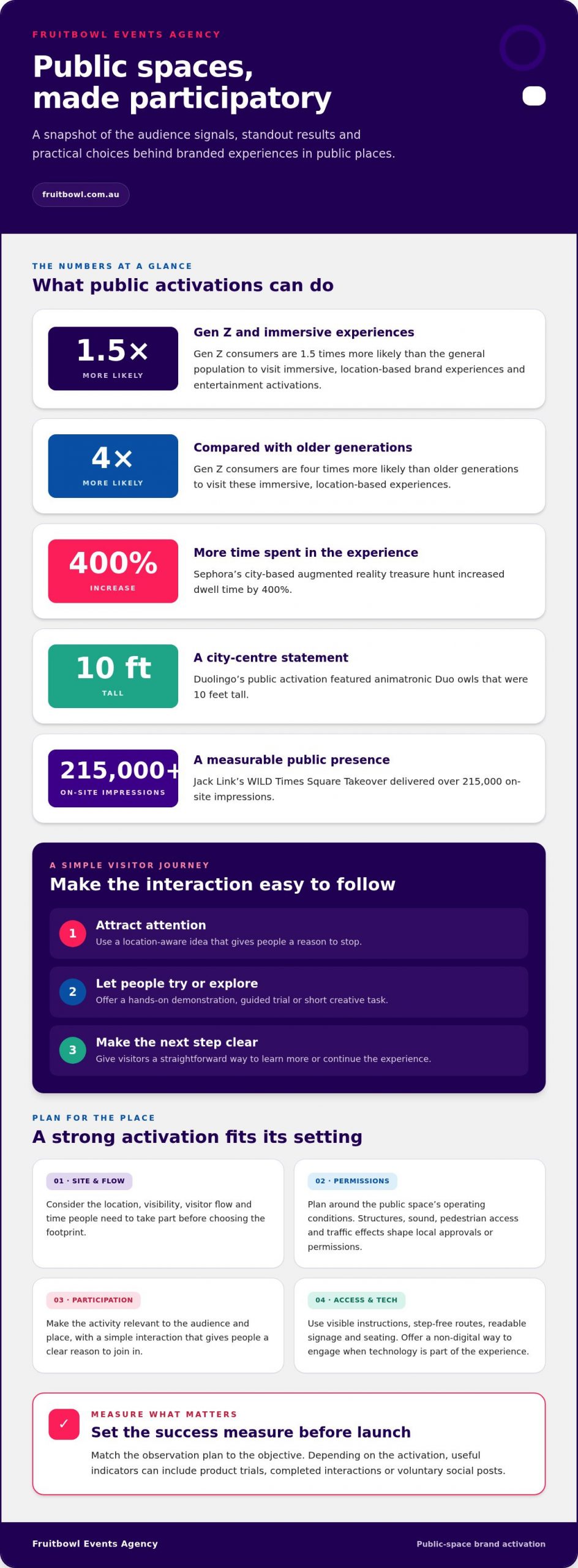
Interactive pop-ups in Australia work best when the activity suits the site and audience. Give visitors a hands-on product demonstration, a guided trial or a short creative task, then make it easy to move through the space. For a launch, plan a simple sequence: attract attention, let people try or explore, and provide a clear way to learn more.
Participation can also make an experience feel personal. Lean Cuisine’s New York City pop-up invited women to highlight achievements, including returning to school at age 55. The idea centred on personal stories rather than a product display. A local activation could invite visitors to contribute a message, choose a response or add to a shared installation.
Location-based experiences can draw people into a destination through discovery and play. Gen Z consumers are 1.5 times more likely than the general population to visit immersive, location-based brand experiences and entertainment activations. They are also four times more likely than older generations to visit these experiences. Build the route, interaction and final reveal around the place itself, so the setting feels integral rather than decorative.
Digital layers can extend a physical experience without replacing it. Sephora’s city-based augmented reality treasure hunt increased dwell time by 400%. A mobile AR feature could reveal digital content at selected points, while a virtual reality station could let visitors explore a product or environment. Keep instructions visible and provide a non-digital way to engage, so the technology supports participation.
Scale should serve the idea. Duolingo’s public activation featured animatronic Duo owls that were 10 feet tall, creating a striking city-centre presence. By contrast, a compact interactive installation may suit a busy walkway better. Consider visibility, visitor flow and the time people need to participate before choosing the footprint.
Measure the experience against its intended outcome. Jack Link’s WILD Times Square Takeover delivered over 215,000 on-site impressions. For another activation, useful indicators might include product trials, completed interactions or voluntary social posts. Decide what success means before launch, then design the experience and observation plan around that objective.
Strong public activations combine a relevant location, a hands-on interaction and a considered digital extension. For events that need coordinated planning and delivery, explore brand activation planning as a next step.
3. Personalised giveaways and user-generated content
A giveaway earns attention when it feels chosen for the person receiving it. Match the item to the event’s audience, then add a personal detail people will want to keep. At a Qantas Business Lounge Christmas activation, live portraits were created for hundreds of passengers over a 10-day period. The portrait was both a gift and a record of a brief, individual interaction.
Live illustration, calligraphy and custom engraving can turn a useful object into a memorable keepsake. For calligraphy, attendees might choose a name, short message or colour for an artist to add to a card or item on site. Set out the choices clearly and organise the queue, so the experience stays engaging without feeling rushed.
Personalised giveaways can prompt user-generated content when the activity itself is worth sharing. Invite guests to photograph a finished portrait or customised item, then provide a branded backdrop and optional event hashtag. Focus the content on the attendee’s creation, not just a logo. That gives people a reason to post organically and makes the brand part of a moment they chose to share.
Gamification gives attendees a clear action to take. A simple stamp trail, quiz or creative challenge can guide them between event areas and reward participation with a relevant giveaway. Keep instructions brief, make progress visible and ensure the reward relates to the activity. For example, a product-themed quiz could unlock a personalised card rather than an unrelated promotional item.
AI can support marketing personalisation by helping teams tailor content, predict campaign performance or generate visuals. 75% of marketing organisations use at least one form of AI for these tasks. At an event, a team might use audience preferences to shape different content prompts or giveaway messages. Keep the interaction transparent and make the human experience, such as an artist adding a personal detail, central to the exchange.
Scale the activity to the audience and delivery plan. For events with 300 or more guests, illustrator Candy Ng says she can lead a team of illustrators; she also describes leading a team for events with 500 or more guests. These examples show how live personalisation can be organised for larger gatherings, with multiple artists helping the queue move while each guest receives an individual piece.
Extend the experience after the event by sharing selected attendee content and inviting further contributions. Quinn’s influencer unboxing campaign received over one million views across social media and ran for a year. A lasting campaign needs a consistent prompt and fresh reasons to participate, so audience contributions become part of an ongoing brand story rather than a one-off post.
4. Social media challenges and AR filters
A social media challenge gives attendees one clear action to recreate and share. Build the prompt around a recognisable brand cue, an easy movement or a creative choice. Twitter created #TwitterBeach in 2019, giving its activation a distinct identity for social conversations. A campaign works best when the in-person action remains understandable in a short post.
AR filters can make that action more interactive. A filter might add a branded visual, transform a selfie or respond to a simple gesture. Keep the instructions visible at the activation and test the experience across mobile devices before launch. Google I/O used 360-degree cameras to film keynote speakers, showing how immersive viewing can bring an event moment to digital audiences.
A social wall can connect online sharing with the energy in the room. Attendees post with an event hashtag, and selected posts appear on a screen as large as 20 feet. Set clear display guidelines and moderate submissions before they appear. This creates a shared focal point while keeping the experience legible for people across the venue.
Plan the campaign as a sequence, not a single post. Introduce the challenge before the event, demonstrate it on site, then share participant content afterwards. Duolingo’s public activation generated millions of TikTok views, illustrating how a physical moment can travel through social media. Keep the creative idea consistent at each stage while adapting the content format to each platform.
Virtual experiences can also create a concentrated social moment. Fortnite’s April 2020 virtual concert with Travis Scott attracted over 27 million participants and lasted around 10 minutes. Its short format gave audiences a defined event to experience together. For a brand campaign, a scheduled reveal, live demonstration or short interactive performance can provide a clear reason to join at a particular time.
Make sharing easy without making it compulsory. Provide a visible hashtag, a photo-friendly setting and a prompt that attendees can adapt in their own words. A shareable activation can turn 100 on-site participants into 100,000 digital impressions. Treat that as a campaign illustration, then track actual participation, posts and audience responses against the campaign objective.
Before launch, map the user journey from seeing the prompt to completing the action and sharing the result. Check that the filter loads, the hashtag is readable and the social wall displays content correctly. A virtual layer should add value to the physical experience, not obstruct it. That balance keeps participation accessible to people who prefer an offline option.
That broader appeal aligns with advertiser strategy: 47% use in-store advertising and physical retail activations as a core part of their commerce media network strategies, up from 35% the previous year.
5. Brand activation objectives and audience relevance
A creative activation works strategically when its audience, setting and objective align. Start by deciding what people should think, feel or do after taking part. A product trial, a deeper customer connection and increased awareness each call for a different experience. The objective determines the creative idea, event format and measures used to assess it.
Generic concepts can weaken that connection. In the Tenth Edition State of Marketing survey, 51% of marketers said their campaigns sometimes feel generic, while 37% reported inconsistent messaging. The report draws on insights from nearly 4,500 marketers worldwide. Before developing an idea, identify the audience’s interests and the brand’s role in meeting them. Then check that the experience expresses the same message across its physical and digital touchpoints.
Audience relevance also shapes the right scale. 59% of B2B marketers plan to run more small, hosted events and brand activations. A focused roundtable, product demonstration or expert-led session can give a specialist audience room to ask questions and build connections. A large public installation may suit a broad awareness objective better, but only when the location and interaction make sense for that audience.
Choose a setting for what it enables, not just its visibility. A high-footfall public space can support a brief interaction, while a private event can create a more exclusive environment for discussion. For example, a technology brand launching a service could invite prospective users to test a relevant feature, then speak with a specialist. The activity connects the launch directly to the audience’s needs.
Make each element earn its place. For a sustainability-focused brand, an interactive repair demonstration could show a product’s practical use and encourage questions. For a government activation, a clear service-information experience could help visitors understand a programme and take an appropriate next step. Start with audience needs, then use the brand message to shape a useful encounter.
Set measures that match the intended outcome. If the goal is awareness, assess whether the activation reaches and engages its intended audience. If the goal is consideration, observe product trials, questions or requests for further information. If the goal is community connection, consider the quality of participation and conversations that continue afterwards. A single headline measure rarely explains an event’s full value.
Budget pressure makes prioritisation important: two-thirds of event teams are navigating flat or reduced budgets. Protect the elements that directly support the objective, such as skilled facilitation or an accessible interaction, before adding decorative features. To shape an activation around a clear audience and outcome, plan your brand activation.
Fruitbowl Events Agency: Corporate Events
Fruitbowl Events Agency brings event concepts to life through coordinated, audience-focused experiences. Turn to the team when your idea needs strategic planning, logistics, programming and on-site delivery, rather than a standalone creative concept.
For a corporate event, shape the activation around the audience, setting and intended outcome. Fruitbowl Events Agency also delivers Festivals & Public Events, Conferences & Seminars and Government Activations. This range helps align the event format with the people attending and its purpose.
From early planning through delivery, a clear approach connects creative choices to practical event requirements. If you’re ready to discuss an event, visit fruitbowl.com.au.
Turn a strong concept into your next event
Start by choosing one audience action to guide every creative decision. Decide what attendees should do, what the brand should contribute and how the experience can continue after the event. This gives unique brand activation ideas a clear purpose and keeps execution aligned with the outcome you want.
Fruitbowl Events Agency brings this thinking to the planning and delivery of Corporate Events, Festivals & Public Events, and Conferences & Seminars. The right format depends on your audience, objectives and event setting. A well-defined brief gives the creative concept a practical foundation and keeps the moving parts connected.
Whether you’re shaping an early concept or preparing to deliver an established event, a considered plan can turn the idea into a coherent experience. Contact Fruitbowl Events Agency to discuss your next event and take the first step towards making it meaningful for your audience.
Frequently Asked Questions
What Are Brand Activation Ideas?
Brand activation ideas are planned experiences that invite people to interact directly with a brand. For example, a local food business could host a tasting where visitors compare flavours and vote for a favourite. This gives people a practical way to experience the product and the business useful feedback. Choose an idea by identifying the audience, the interaction you want to encourage and the message participants should remember.
Why should a business invest in experiential marketing?
Experiential marketing gives people the opportunity to encounter a brand through an activity, rather than seeing a message alone. A software business, for instance, could run a guided demonstration where prospective customers complete a task using the platform. This can help them understand how it fits their needs and give the business direct questions to address. Define the intended outcome first, then assess relevant actions such as attendance, product enquiries or follow-up conversations.
What are low-budget brand activation ideas for small businesses?
Small businesses can create focused activations using existing expertise, products and community connections. A bookshop might host a short author discussion, while a café could invite customers to suggest a seasonal drink and share the result in store. Keep the activity simple, use a space already available to the business and promote one clear invitation through existing channels. Track participation and feedback to decide what to repeat or refine.
What are the risks and common mistakes in brand activation campaigns?
Common mistakes include creating a generic spectacle without a relevant audience connection, making participation unclear or difficult, and choosing a scale or technology that does not suit the site. Poor planning for permissions, visitor flow, accessibility or success measures can also weaken an activation.
OUR BLOG
Event Insights & Expertise
Our blog is your go-to resource for all things events. From expert insights and the latest industry trends to practical planning tips, we share everything you need to deliver standout experiences.
Contact Us