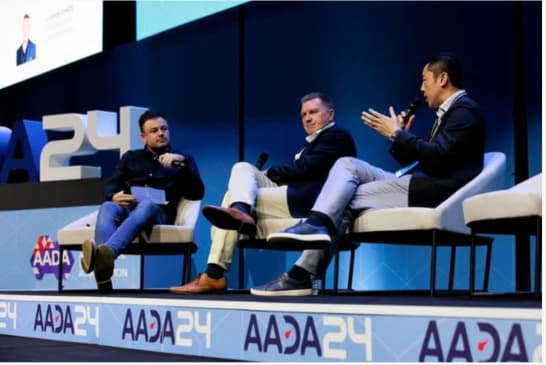
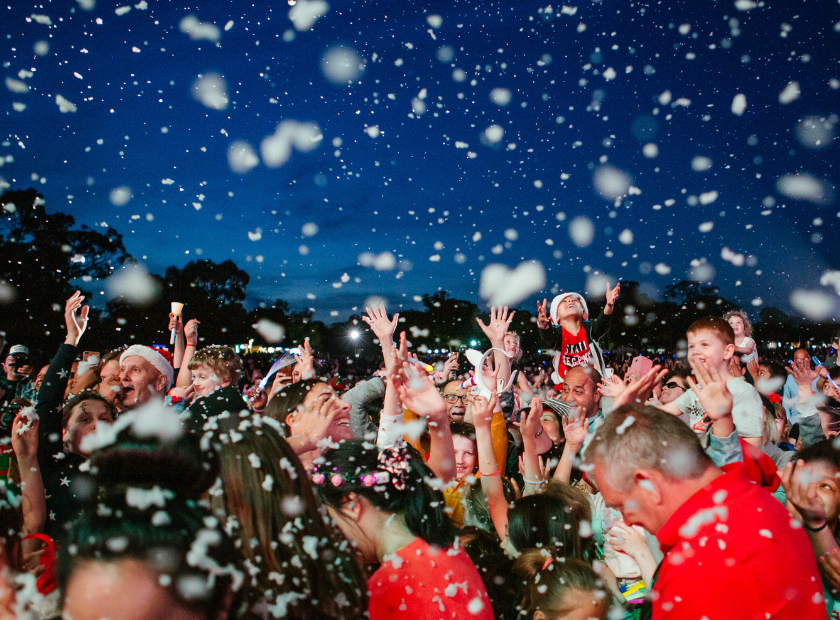
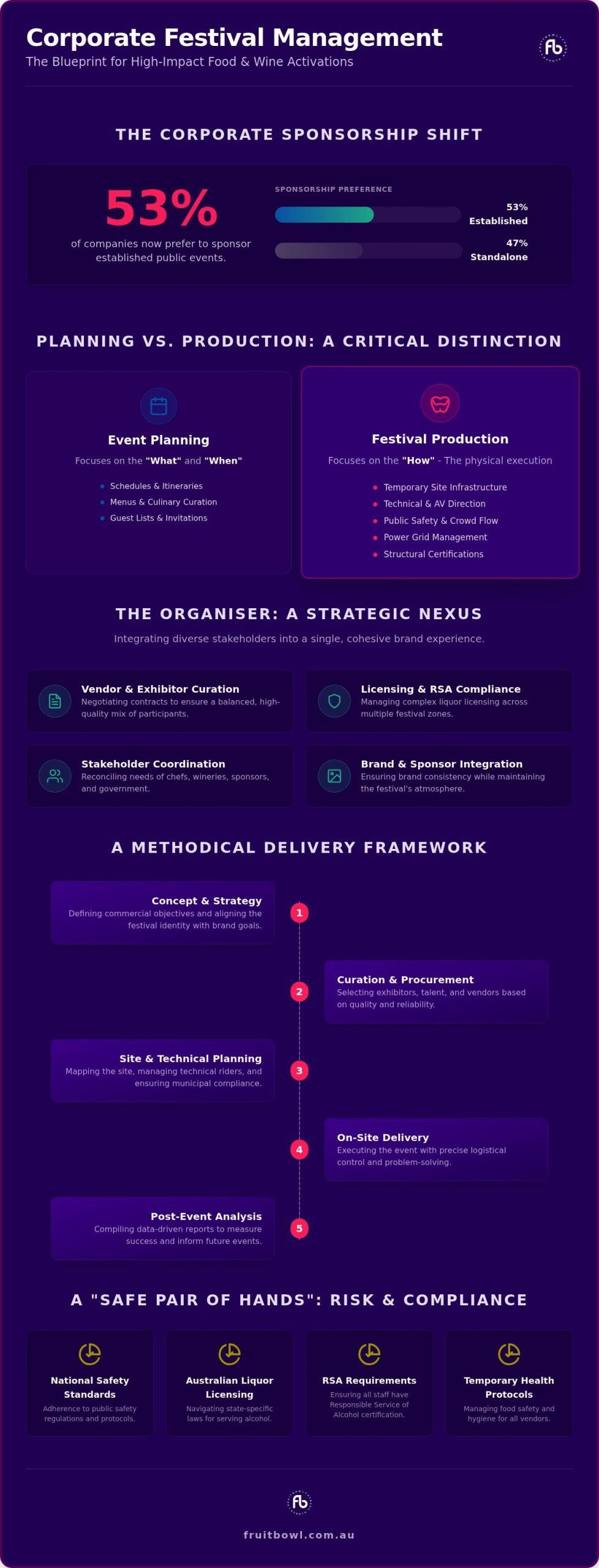
Did you know that 53% of companies now prefer to sponsor established public activations rather than producing their own standalone events? This shift places significant pressure on organisers to deliver flawless environments where brand identity and guest experience intersect. You likely recognise that while a visionary culinary concept draws the crowd, it’s the invisible infrastructure; the rigorous health compliance, the complex liquor licensing, and the precise corporate festival event management required to move thousands of people, that determines the ultimate success of the day.
Managing these multifaceted elements requires more than just a creative eye. It demands a level of strategic oversight that treats logistical precision as a non-negotiable foundation for every activation. This guide explores how professional organisers balance culinary ambition with the technical rigour needed to deliver high-impact public festivals in 2026. We will examine the strategic methodology behind stakeholder coordination, national safety standards, and the end-to-end delivery frameworks that ensure every attendee enjoys a frictionless experience. By prioritising methodical planning over simple execution, you can transform high-traffic public spaces into secure, sophisticated brand environments that meet every regulatory requirement and exceed attendee expectations.
Key Takeaways
- Understand the distinction between general event planning and a specialised production agency that acts as the central hub for complex logistical and creative requirements.
- Learn how professional corporate festival event management integrates technical direction with exhibitor curation to deliver a seamless and engaging public activation.
- Navigate the stringent landscape of Australian liquor licensing, RSA requirements, and temporary health protocols to ensure full regulatory compliance and public safety.
- Identify the specific technical and AV requirements necessary for high-traffic live cooking demonstrations and masterclasses that maintain high attendee satisfaction.
- Evaluate potential partners based on their ability to act as a “safe pair of hands” when managing large-scale public budgets and multi-stakeholder environments.
What Do Food and Wine Festival Organisers Actually Do?
A food and wine festival organiser serves as the strategic nexus where creative vision meets logistical reality. While a casual observer sees a seamless afternoon of tastings, the organiser manages a complex ecosystem of technical infrastructure, regulatory compliance, and stakeholder interests. Professional Event management at this scale requires an end-to-end methodology that spans the entire project lifecycle. This process begins with concept development, where the festival’s identity is shaped to align with broader brand or community objectives. It continues through site mapping, vendor procurement, and on-site delivery, finally concluding with data-driven post-event reporting. Every decision is measured against its ability to deliver a secure, high-impact public activation.
The Distinction Between Event Planning and Festival Production
There’s a fundamental difference between general event planning and specialised festival production. Planning typically focuses on the “what” and the “when,” such as schedules, menus, and guest lists. Production focuses on the “how.” It involves the physical execution of complex environments, including the deployment of temporary site infrastructure and technical direction. For large-scale food festivals, a production-heavy approach is vital for public safety. Organisers must manage high-traffic pedestrian flows, temporary power grids for commercial cooking equipment, and structural certifications for stages. This level of corporate festival event management ensures that the creative ambition of the event is supported by a stable, compliant foundation.
Strategic Oversight of Multi-Stakeholder Environments
Successful festivals rely on the seamless integration of diverse stakeholders, each with unique operational needs. Organisers must reconcile the requirements of celebrity chefs, boutique wineries, corporate sponsors, and local government authorities within a single, cohesive environment. This oversight involves several critical streams of work:
- Negotiating vendor contracts to ensure a balanced mix of high-quality exhibitors.
- Managing complex liquor licensing and RSA compliance across multiple beverage zones.
- Coordinating technical requirements for live cooking demonstrations and masterclasses.
- Ensuring brand consistency for sponsors while maintaining the festival’s unique atmosphere.
By acting as the central hub, the organiser maintains order in high-stakes environments. They provide the budget discipline and logistical precision required to protect the client’s investment and reputation. This professional oversight transforms a collection of individual stalls into a unified, high-impact brand experience. It’s the role of the corporate festival event management partner to be the “safe pair of hands” that anticipates challenges before they impact the guest experience, ensuring the project remains on track and within financial parameters.
Strategic Planning for Large-Scale Culinary Events
Successful corporate festival event management begins months before the first vendor is booked. It requires a robust strategic framework that defines both the commercial objectives and the attendee journey from the outset. Without this foundation, a festival risks becoming a collection of disjointed stalls rather than a unified brand experience. Organisers must ensure alignment with municipal event compliance standards during the earliest planning phases to avoid costly late-stage adjustments to site layouts or capacity limits. This methodical approach provides the security needed to manage large public budgets effectively.
Curating the Exhibitor and Talent Mix
Curation is a balancing act that requires a sophisticated understanding of the target demographic. A successful festival integrates boutique regional producers with established national brands to create a diverse and appealing offering. Selection criteria should prioritise quality, reliability, and the vendor’s ability to operate under high-pressure outdoor conditions. Managing technical riders for celebrity chefs and performers is equally critical. These culinary experts often require specific commercial-grade kitchen setups on temporary stages, necessitating precise coordination between the talent and the technical production team. For those seeking expert talent procurement and exhibitor management, Fruitbowl offers specialised support in navigating these complex stakeholder relationships.
Site Infrastructure and Flow Management
A well-designed site map is invisible to the guest but vital to the organiser’s success. It must optimise crowd flow to prevent bottlenecks, particularly in high-traffic food zones where queues can quickly obstruct thoroughfares. Maximising vendor visibility is essential for exhibitor satisfaction, while maintaining open spaces ensures a comfortable experience for attendees. Essential infrastructure, including three-phase power, potable water, greywater waste management, and industrial-scale refrigeration, must be integrated into the site design from the beginning. You can find more detail on these technical requirements in our guide to mastering festival production services.
Effective corporate festival event management involves anticipating the physical demands of thousands of people moving through a space simultaneously. This includes planning for adequate seating, shaded areas, and logical signage that guides the guest journey. By treating the site as a living environment, organisers create a frictionless experience that encourages longer dwell times and higher on-site spending. This disciplined approach ensures that the creative vision is never compromised by logistical failure, providing a safe pair of hands for every activation.
Technical Direction and AV Management for Festivals
Technical direction is the mechanical heart of any public activation. It transforms a conceptual site map into a functional environment where creative vision and technical execution meet. The “bump-in” phase requires a disciplined sequence where technical crews, AV equipment, and structural components are integrated under strict timelines. Effective corporate festival event management ensures this transition is handled with minimal friction, protecting both the venue and the equipment from the variables of high-traffic public spaces. Managing the “bump-out” is equally critical, requiring a methodical approach to restore the site while maintaining the same level of safety and precision seen at the start of the project.
Audio-Visual Requirements for Culinary Stages
Unlike music festivals, culinary stages demand a specific technical configuration that prioritises visual detail. Clear audio is essential for presenters, but visuals are the primary driver of guest engagement during a live demonstration. High-definition overhead cameras must capture the precision of a chef’s technique, broadcast live to large LED screens so that every attendee, regardless of their position, can see the masterclass clearly. Managing these technical needs across a fast-paced programme requires a “safe pair of hands” to oversee seamless transitions between multiple presenters. For a deeper look at achieving technical excellence in these environments, see our guide on AV management for events.
Staging and Structural Safety
Staging in outdoor environments introduces unique risks that require expert oversight and rigorous planning. Organisers must procure and manage temporary structures, from main stages to individual exhibitor marquees, ensuring each meets Australian structural standards and safety certifications. Weather contingency planning is a non-negotiable component of this process. This involves monitoring wind speeds for marquee stability and ensuring all technical equipment is adequately protected from the elements. This level of rigour is a core component of a professional festival management curriculum, reflecting the industry’s commitment to safety and technical precision.
Sound and lighting are used strategically to define different zones within the festival site, creating a sophisticated atmosphere that evolves throughout the day. While a central stage may require high-energy audio, tasting pavilions often benefit from a more composed, ambient soundscape. Lighting serves a dual purpose; it enhances the brand experience as day turns to evening and ensures the safety of guests navigating the site after dark. By integrating these technical elements with the creative vision, organisers deliver a cohesive and reassuring environment. This meticulous approach to corporate festival event management ensures that even the most complex technical requirements appear effortless to the attendee.
Risk Management and Compliance in Public Spaces
Managing risk in high-traffic public environments is a multifaceted discipline that prioritises public safety and brand integrity above all else. For any food and wine festival, the complexity of local regulations requires a meticulous approach to compliance that begins long before the first guest arrives. Professional corporate festival event management treats risk not as a hurdle, but as a structured framework that provides the security needed for creative ambition to flourish. This involves coordinating with local councils, emergency services, and health departments to ensure every activation zone meets national safety standards. Precision is non-negotiable.
Liquor Licensing and RSA Strategy
The landscape of Australian liquor licensing is notoriously complex, with requirements varying significantly across different jurisdictions. Organisers must develop a comprehensive Alcohol Management Plan (AMP) that outlines clear strategies for Responsible Service of Alcohol (RSA). This plan includes defining licensed boundaries, managing entry and exit points, and ensuring all staff hold valid certifications. Safety remains the priority. Liaising with authorities early in the planning phase is essential to secure the necessary permits and to establish a collaborative relationship with local police. By maintaining a disciplined environment, organisers protect the festival’s reputation while ensuring a safe experience for all attendees.
Government Activations and Health Standards
When producing government-funded activations, the level of scrutiny regarding health and safety protocols increases significantly. These projects demand rigorous documentation and a commitment to transparency that only an experienced partner can provide. Temporary food stalls and outdoor kitchens must adhere to strict health codes, including temperature monitoring, cross-contamination prevention, and waste management. You can find detailed insights on meeting these high-stakes requirements in our guide to strategic government event planning.
Beyond health codes, managing public liability is a critical component of logistical precision. Professional corporate festival event management involves verifying that all vendors hold comprehensive insurance coverage. As of 2026, industry standards often require policies reaching A$5,000,000 aggregate to protect against unforeseen incidents on large-scale sites. Organisers must verify these policies as part of their end-to-end methodology, ensuring the entire site is covered by a “safe pair of hands.” Every detail matters. This disciplined oversight extends to crowd control and emergency management plans, which must be tailored to the specific density and layout of the activation. If you need assistance navigating these complex regulatory environments, contact Fruitbowl Events Agency to ensure your next festival is fully compliant and secure.
Choosing the Right Partner for Your Festival
Selecting a partner for a large-scale food and wine festival is a strategic decision that extends far beyond aesthetics. It’s about securing a “safe pair of hands” capable of navigating the high-stakes logistics and regulatory demands of public activations. When evaluating potential agencies, you should prioritise those with a proven history of managing multi-stakeholder environments and large public budgets. Fruitbowl Events Agency, established in 1996, brings over 28 years of industry experience to every project. This longevity is critical when unforeseen challenges arise on-site; seasoned expertise allows for composed, rapid problem-solving that keeps the event on track and protects your brand reputation.
The Value of a Comprehensive End-to-End Solution
A comprehensive end-to-end solution provides more than just convenience; it offers a level of security that siloed services cannot match. By managing all moving parts through a single point of contact, corporate festival event management becomes a streamlined process that reduces client stress and eliminates communication gaps. Professional fees for these services translate into long-term ROI by preventing costly logistical errors and ensuring efficient resource allocation across complex sites. Most importantly, a production-led partner ensures that your creative vision is never compromised by technical limitations, providing the robust infrastructure needed to bring ambitious concepts to life safely.
Next Steps: From Concept to National Delivery
Successful festivals are built on early engagement and methodological rigour. The briefing process should begin as soon as a concept is established to allow sufficient time for site procurement and complex licensing applications. Early collaboration with a professional organiser ensures that foundational requirements, such as compliance for government activations and health standards, are integrated into the project timeline from day one. This proactive approach secures the most sought-after venues and talent before peak seasons, providing a distinct competitive advantage in the national market.
If you’re ready to transform your vision into a high-impact public activation, early consultation is the first step toward a seamless delivery. The team at Fruitbowl is prepared to provide the strategic oversight and technical direction required for your next national project. We invite you to discuss your objectives with us and discover how our disciplined methodology can elevate your brand experience and ensure your mission’s success. By choosing a partner that prioritises logistical precision as much as creative ambition, you ensure your festival remains a benchmark for quality and safety in the Australian market.
Delivering Flawless Culinary Activations in 2026
Producing a successful food and wine festival requires more than a visionary concept; it demands a disciplined integration of technical direction, stakeholder management, and regulatory rigour. As you navigate the complexities of public activations, remember that your choice of partner directly impacts both guest safety and brand sentiment. Prioritising a methodical approach to corporate festival event management ensures that every technical rider is met and every licensing requirement is satisfied before the first gate opens.
With over 28 years of industry experience, Fruitbowl Events Agency provides the authoritative guidance needed to manage high-stakes public and government activations. Our end-to-end production services offer a “safe pair of hands” for your national delivery, allowing you to focus on your strategic objectives while we handle the invisible infrastructure. This alignment creates an environment where vendors thrive and attendees enjoy a frictionless experience throughout the event lifecycle.
If you’re ready to elevate your next project with logistical precision and creative excellence, partner with the food and wine festival organisers at Fruitbowl Events Agency today. We look forward to transforming your complex logistical challenges into seamless, high-impact experiences that truly resonate with your audience.
Frequently Asked Questions
What is the role of food and wine festival organisers?
Organisers serve as the central hub for all logistical, technical, and creative streams within a public activation. They transform a strategic vision into a functional environment by managing site mapping, vendor curation, and compliance protocols. By overseeing the end-to-end project lifecycle, they ensure that culinary creativity is supported by rigorous infrastructure. This professional oversight mitigates the risks associated with high-traffic environments and ensures a seamless experience for all stakeholders.
How much does it cost to hire a professional festival organiser?
Professional fees are determined by the project’s scale, the duration of the event, and the complexity of the technical direction required. Organisers typically structure their costs as management fees or a percentage of the total production budget. While specific figures depend on the unique requirements of the activation, engaging a seasoned partner ensures efficient resource allocation. This disciplined financial management prevents the significant losses often associated with logistical failures or regulatory non-compliance.
What permits are required for a food and wine festival in Australia?
Organisers must secure a comprehensive suite of approvals, including mass gathering permits, sound exemptions, and structural certifications for temporary stages. Every food vendor requires a temporary food stall permit from the local council, while the overall site must comply with national safety and accessibility standards. Navigating these requirements involves early liaison with local authorities to ensure all documentation is lodged within mandatory lead times to avoid project delays.
How do organisers manage liquor licensing for outdoor events?
Managing liquor licensing involves developing a detailed Alcohol Management Plan that meets state-specific regulatory requirements. Organisers coordinate with the relevant liquor authority to secure major event licenses while ensuring all service zones are clearly defined and secured. This process includes verifying RSA certifications for all staff and implementing strategies for responsible consumption. Maintaining this level of order is essential for public safety and the long-term reputation of the festival.
Can a festival organiser help with talent and celebrity chef booking?
Yes, professional organisers handle the entire talent procurement process, from initial negotiations to managing complex technical riders on-site. This includes securing celebrity chefs, presenters, and live entertainment that aligns with the festival’s brand identity. They ensure that all culinary talent has the necessary commercial-grade equipment on stage and the required back-of-house support; to learn more about hospitality staffing, discover Operational Chef Consultant. Organisers coordinate closely with technical crews to deliver seamless live demonstrations that maintain high levels of guest engagement throughout the programme.
A major festival typically requires a planning lead time of nine to twelve months to ensure all logistical and regulatory milestones are achieved. This timeline allows for site procurement, sponsor engagement, and the complex process of securing necessary permits and licenses. Early engagement in corporate festival event management is essential to secure high-quality vendors and talent before peak seasons, ensuring a methodical and composed progression from concept to delivery.
How do organisers handle waste management and sustainability at festivals?
Organisers implement comprehensive waste management plans that include source separation, greywater disposal, and the use of compostable packaging. Sustainability is increasingly integrated into the strategic framework, with organisers tracking carbon footprints and reducing single-use plastics across the site. This disciplined approach ensures that high-impact public activations remain environmentally responsible while meeting the growing expectations of attendees and government stakeholders for sustainable and ethical event practices across the Australian market, such as ensuring supply chain integrity via Fair Farms for participating horticultural producers.
Every professional festival plan includes a robust weather contingency strategy to protect attendees, staff, and technical equipment. This involves securing marquees against wind loads, implementing temporary flooring in high-traffic zones, and ensuring all electrical systems are weather-protected. Organisers monitor live weather data to make informed decisions about site safety. This proactive oversight ensures that the activation remains operational and secure, providing a safe pair of hands despite adverse environmental conditions.
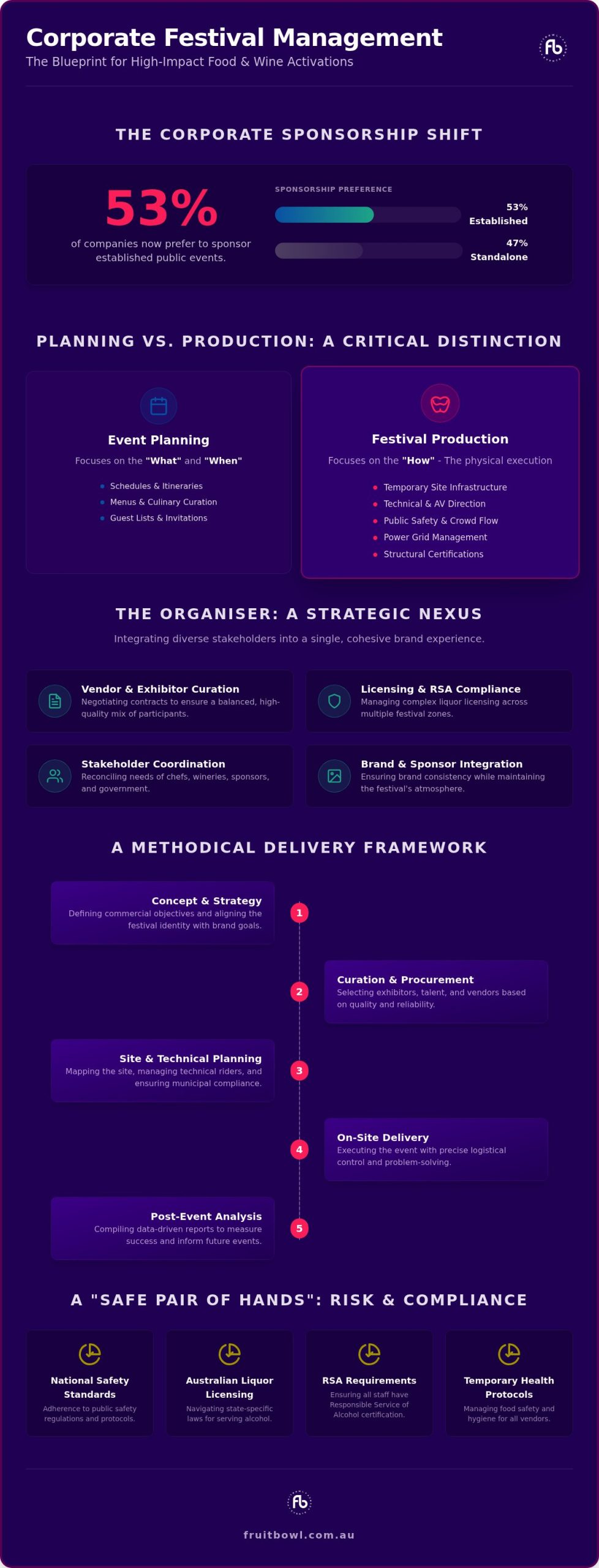
Did you know that 53% of companies now prefer to sponsor established public activations rather than producing their own standalone events? This shift places significant pressure on organisers to deliver flawless environments where brand identity and guest experience intersect. You likely recognise that while a visionary culinary concept draws the crowd, it’s the invisible infrastructure; the rigorous health compliance, the complex liquor licensing, and the precise corporate festival event management required to move thousands of people, that determines the ultimate success of the day.
Managing these multifaceted elements requires more than just a creative eye. It demands a level of strategic oversight that treats logistical precision as a non-negotiable foundation for every activation. This guide explores how professional organisers balance culinary ambition with the technical rigour needed to deliver high-impact public festivals in 2026. We will examine the strategic methodology behind stakeholder coordination, national safety standards, and the end-to-end delivery frameworks that ensure every attendee enjoys a frictionless experience. By prioritising methodical planning over simple execution, you can transform high-traffic public spaces into secure, sophisticated brand environments that meet every regulatory requirement and exceed attendee expectations.
Key Takeaways
- Understand the distinction between general event planning and a specialised production agency that acts as the central hub for complex logistical and creative requirements.
- Learn how professional corporate festival event management integrates technical direction with exhibitor curation to deliver a seamless and engaging public activation.
- Navigate the stringent landscape of Australian liquor licensing, RSA requirements, and temporary health protocols to ensure full regulatory compliance and public safety.
- Identify the specific technical and AV requirements necessary for high-traffic live cooking demonstrations and masterclasses that maintain high attendee satisfaction.
- Evaluate potential partners based on their ability to act as a “safe pair of hands” when managing large-scale public budgets and multi-stakeholder environments.
What Do Food and Wine Festival Organisers Actually Do?
A food and wine festival organiser serves as the strategic nexus where creative vision meets logistical reality. While a casual observer sees a seamless afternoon of tastings, the organiser manages a complex ecosystem of technical infrastructure, regulatory compliance, and stakeholder interests. Professional Event management at this scale requires an end-to-end methodology that spans the entire project lifecycle. This process begins with concept development, where the festival’s identity is shaped to align with broader brand or community objectives. It continues through site mapping, vendor procurement, and on-site delivery, finally concluding with data-driven post-event reporting. Every decision is measured against its ability to deliver a secure, high-impact public activation.
The Distinction Between Event Planning and Festival Production
There’s a fundamental difference between general event planning and specialised festival production. Planning typically focuses on the “what” and the “when,” such as schedules, menus, and guest lists. Production focuses on the “how.” It involves the physical execution of complex environments, including the deployment of temporary site infrastructure and technical direction. For large-scale food festivals, a production-heavy approach is vital for public safety. Organisers must manage high-traffic pedestrian flows, temporary power grids for commercial cooking equipment, and structural certifications for stages. This level of corporate festival event management ensures that the creative ambition of the event is supported by a stable, compliant foundation.
Strategic Oversight of Multi-Stakeholder Environments
Successful festivals rely on the seamless integration of diverse stakeholders, each with unique operational needs. Organisers must reconcile the requirements of celebrity chefs, boutique wineries, corporate sponsors, and local government authorities within a single, cohesive environment. This oversight involves several critical streams of work:
- Negotiating vendor contracts to ensure a balanced mix of high-quality exhibitors.
- Managing complex liquor licensing and RSA compliance across multiple beverage zones.
- Coordinating technical requirements for live cooking demonstrations and masterclasses.
- Ensuring brand consistency for sponsors while maintaining the festival’s unique atmosphere.
By acting as the central hub, the organiser maintains order in high-stakes environments. They provide the budget discipline and logistical precision required to protect the client’s investment and reputation. This professional oversight transforms a collection of individual stalls into a unified, high-impact brand experience. It’s the role of the corporate festival event management partner to be the “safe pair of hands” that anticipates challenges before they impact the guest experience, ensuring the project remains on track and within financial parameters.
Strategic Planning for Large-Scale Culinary Events
Successful corporate festival event management begins months before the first vendor is booked. It requires a robust strategic framework that defines both the commercial objectives and the attendee journey from the outset. Without this foundation, a festival risks becoming a collection of disjointed stalls rather than a unified brand experience. Organisers must ensure alignment with municipal event compliance standards during the earliest planning phases to avoid costly late-stage adjustments to site layouts or capacity limits. This methodical approach provides the security needed to manage large public budgets effectively.
Curating the Exhibitor and Talent Mix
Curation is a balancing act that requires a sophisticated understanding of the target demographic. A successful festival integrates boutique regional producers with established national brands to create a diverse and appealing offering. Selection criteria should prioritise quality, reliability, and the vendor’s ability to operate under high-pressure outdoor conditions. Managing technical riders for celebrity chefs and performers is equally critical. These culinary experts often require specific commercial-grade kitchen setups on temporary stages, necessitating precise coordination between the talent and the technical production team. For those seeking expert talent procurement and exhibitor management, Fruitbowl offers specialised support in navigating these complex stakeholder relationships.
Site Infrastructure and Flow Management
A well-designed site map is invisible to the guest but vital to the organiser’s success. It must optimise crowd flow to prevent bottlenecks, particularly in high-traffic food zones where queues can quickly obstruct thoroughfares. Maximising vendor visibility is essential for exhibitor satisfaction, while maintaining open spaces ensures a comfortable experience for attendees. Essential infrastructure, including three-phase power, potable water, greywater waste management, and industrial-scale refrigeration, must be integrated into the site design from the beginning. You can find more detail on these technical requirements in our guide to mastering festival production services.
Effective corporate festival event management involves anticipating the physical demands of thousands of people moving through a space simultaneously. This includes planning for adequate seating, shaded areas, and logical signage that guides the guest journey. By treating the site as a living environment, organisers create a frictionless experience that encourages longer dwell times and higher on-site spending. This disciplined approach ensures that the creative vision is never compromised by logistical failure, providing a safe pair of hands for every activation.
Technical Direction and AV Management for Festivals
Technical direction is the mechanical heart of any public activation. It transforms a conceptual site map into a functional environment where creative vision and technical execution meet. The “bump-in” phase requires a disciplined sequence where technical crews, AV equipment, and structural components are integrated under strict timelines. Effective corporate festival event management ensures this transition is handled with minimal friction, protecting both the venue and the equipment from the variables of high-traffic public spaces. Managing the “bump-out” is equally critical, requiring a methodical approach to restore the site while maintaining the same level of safety and precision seen at the start of the project.
Audio-Visual Requirements for Culinary Stages
Unlike music festivals, culinary stages demand a specific technical configuration that prioritises visual detail. Clear audio is essential for presenters, but visuals are the primary driver of guest engagement during a live demonstration. High-definition overhead cameras must capture the precision of a chef’s technique, broadcast live to large LED screens so that every attendee, regardless of their position, can see the masterclass clearly. Managing these technical needs across a fast-paced programme requires a “safe pair of hands” to oversee seamless transitions between multiple presenters. For a deeper look at achieving technical excellence in these environments, see our guide on AV management for events.
Staging and Structural Safety
Staging in outdoor environments introduces unique risks that require expert oversight and rigorous planning. Organisers must procure and manage temporary structures, from main stages to individual exhibitor marquees, ensuring each meets Australian structural standards and safety certifications. Weather contingency planning is a non-negotiable component of this process. This involves monitoring wind speeds for marquee stability and ensuring all technical equipment is adequately protected from the elements. This level of rigour is a core component of a professional festival management curriculum, reflecting the industry’s commitment to safety and technical precision.
Sound and lighting are used strategically to define different zones within the festival site, creating a sophisticated atmosphere that evolves throughout the day. While a central stage may require high-energy audio, tasting pavilions often benefit from a more composed, ambient soundscape. Lighting serves a dual purpose; it enhances the brand experience as day turns to evening and ensures the safety of guests navigating the site after dark. By integrating these technical elements with the creative vision, organisers deliver a cohesive and reassuring environment. This meticulous approach to corporate festival event management ensures that even the most complex technical requirements appear effortless to the attendee.
Risk Management and Compliance in Public Spaces
Managing risk in high-traffic public environments is a multifaceted discipline that prioritises public safety and brand integrity above all else. For any food and wine festival, the complexity of local regulations requires a meticulous approach to compliance that begins long before the first guest arrives. Professional corporate festival event management treats risk not as a hurdle, but as a structured framework that provides the security needed for creative ambition to flourish. This involves coordinating with local councils, emergency services, and health departments to ensure every activation zone meets national safety standards. Precision is non-negotiable.
Liquor Licensing and RSA Strategy
The landscape of Australian liquor licensing is notoriously complex, with requirements varying significantly across different jurisdictions. Organisers must develop a comprehensive Alcohol Management Plan (AMP) that outlines clear strategies for Responsible Service of Alcohol (RSA). This plan includes defining licensed boundaries, managing entry and exit points, and ensuring all staff hold valid certifications. Safety remains the priority. Liaising with authorities early in the planning phase is essential to secure the necessary permits and to establish a collaborative relationship with local police. By maintaining a disciplined environment, organisers protect the festival’s reputation while ensuring a safe experience for all attendees.
Government Activations and Health Standards
When producing government-funded activations, the level of scrutiny regarding health and safety protocols increases significantly. These projects demand rigorous documentation and a commitment to transparency that only an experienced partner can provide. Temporary food stalls and outdoor kitchens must adhere to strict health codes, including temperature monitoring, cross-contamination prevention, and waste management. You can find detailed insights on meeting these high-stakes requirements in our guide to strategic government event planning.
Beyond health codes, managing public liability is a critical component of logistical precision. Professional corporate festival event management involves verifying that all vendors hold comprehensive insurance coverage. As of 2026, industry standards often require policies reaching A$5,000,000 aggregate to protect against unforeseen incidents on large-scale sites. Organisers must verify these policies as part of their end-to-end methodology, ensuring the entire site is covered by a “safe pair of hands.” Every detail matters. This disciplined oversight extends to crowd control and emergency management plans, which must be tailored to the specific density and layout of the activation. If you need assistance navigating these complex regulatory environments, contact Fruitbowl Events Agency to ensure your next festival is fully compliant and secure.
Choosing the Right Partner for Your Festival
Selecting a partner for a large-scale food and wine festival is a strategic decision that extends far beyond aesthetics. It’s about securing a “safe pair of hands” capable of navigating the high-stakes logistics and regulatory demands of public activations. When evaluating potential agencies, you should prioritise those with a proven history of managing multi-stakeholder environments and large public budgets. Fruitbowl Events Agency, established in 1996, brings over 28 years of industry experience to every project. This longevity is critical when unforeseen challenges arise on-site; seasoned expertise allows for composed, rapid problem-solving that keeps the event on track and protects your brand reputation.
The Value of a Comprehensive End-to-End Solution
A comprehensive end-to-end solution provides more than just convenience; it offers a level of security that siloed services cannot match. By managing all moving parts through a single point of contact, corporate festival event management becomes a streamlined process that reduces client stress and eliminates communication gaps. Professional fees for these services translate into long-term ROI by preventing costly logistical errors and ensuring efficient resource allocation across complex sites. Most importantly, a production-led partner ensures that your creative vision is never compromised by technical limitations, providing the robust infrastructure needed to bring ambitious concepts to life safely.
Next Steps: From Concept to National Delivery
Successful festivals are built on early engagement and methodological rigour. The briefing process should begin as soon as a concept is established to allow sufficient time for site procurement and complex licensing applications. Early collaboration with a professional organiser ensures that foundational requirements, such as compliance for government activations and health standards, are integrated into the project timeline from day one. This proactive approach secures the most sought-after venues and talent before peak seasons, providing a distinct competitive advantage in the national market.
If you’re ready to transform your vision into a high-impact public activation, early consultation is the first step toward a seamless delivery. The team at Fruitbowl is prepared to provide the strategic oversight and technical direction required for your next national project. We invite you to discuss your objectives with us and discover how our disciplined methodology can elevate your brand experience and ensure your mission’s success. By choosing a partner that prioritises logistical precision as much as creative ambition, you ensure your festival remains a benchmark for quality and safety in the Australian market.
Delivering Flawless Culinary Activations in 2026
Producing a successful food and wine festival requires more than a visionary concept; it demands a disciplined integration of technical direction, stakeholder management, and regulatory rigour. As you navigate the complexities of public activations, remember that your choice of partner directly impacts both guest safety and brand sentiment. Prioritising a methodical approach to corporate festival event management ensures that every technical rider is met and every licensing requirement is satisfied before the first gate opens.
With over 28 years of industry experience, Fruitbowl Events Agency provides the authoritative guidance needed to manage high-stakes public and government activations. Our end-to-end production services offer a “safe pair of hands” for your national delivery, allowing you to focus on your strategic objectives while we handle the invisible infrastructure. This alignment creates an environment where vendors thrive and attendees enjoy a frictionless experience throughout the event lifecycle.
If you’re ready to elevate your next project with logistical precision and creative excellence, partner with the food and wine festival organisers at Fruitbowl Events Agency today. We look forward to transforming your complex logistical challenges into seamless, high-impact experiences that truly resonate with your audience.
Frequently Asked Questions
What is the role of food and wine festival organisers?
Organisers serve as the central hub for all logistical, technical, and creative streams within a public activation. They transform a strategic vision into a functional environment by managing site mapping, vendor curation, and compliance protocols. By overseeing the end-to-end project lifecycle, they ensure that culinary creativity is supported by rigorous infrastructure. This professional oversight mitigates the risks associated with high-traffic environments and ensures a seamless experience for all stakeholders.
How much does it cost to hire a professional festival organiser?
Professional fees are determined by the project’s scale, the duration of the event, and the complexity of the technical direction required. Organisers typically structure their costs as management fees or a percentage of the total production budget. While specific figures depend on the unique requirements of the activation, engaging a seasoned partner ensures efficient resource allocation. This disciplined financial management prevents the significant losses often associated with logistical failures or regulatory non-compliance.
What permits are required for a food and wine festival in Australia?
Organisers must secure a comprehensive suite of approvals, including mass gathering permits, sound exemptions, and structural certifications for temporary stages. Every food vendor requires a temporary food stall permit from the local council, while the overall site must comply with national safety and accessibility standards. Navigating these requirements involves early liaison with local authorities to ensure all documentation is lodged within mandatory lead times to avoid project delays.
How do organisers manage liquor licensing for outdoor events?
Managing liquor licensing involves developing a detailed Alcohol Management Plan that meets state-specific regulatory requirements. Organisers coordinate with the relevant liquor authority to secure major event licenses while ensuring all service zones are clearly defined and secured. This process includes verifying RSA certifications for all staff and implementing strategies for responsible consumption. Maintaining this level of order is essential for public safety and the long-term reputation of the festival.
Can a festival organiser help with talent and celebrity chef booking?
Yes, professional organisers handle the entire talent procurement process, from initial negotiations to managing complex technical riders on-site. This includes securing celebrity chefs, presenters, and live entertainment that aligns with the festival’s brand identity. They ensure that all culinary talent has the necessary commercial-grade equipment on stage, coordinating closely with technical crews to deliver seamless live demonstrations that maintain high levels of guest engagement throughout the programme.
What is the typical timeline for planning a major food and wine festival?
A major festival typically requires a planning lead time of nine to twelve months to ensure all logistical and regulatory milestones are achieved. This timeline allows for site procurement, sponsor engagement, and the complex process of securing necessary permits and licenses. Early engagement in corporate festival event management is essential to secure high-quality vendors and talent before peak seasons, ensuring a methodical and composed progression from concept to delivery.
How do organisers handle waste management and sustainability at festivals?
Organisers implement comprehensive waste management plans that include source separation, greywater disposal, and the use of compostable packaging. Sustainability is increasingly integrated into the strategic framework, with organisers tracking carbon footprints and reducing single-use plastics across the site. This disciplined approach ensures that high-impact public activations remain environmentally responsible while meeting the growing expectations of attendees and government stakeholders for sustainable and ethical event practices across the Australian market.
What happens if it rains during an outdoor food and wine festival?
Every professional festival plan includes a robust weather contingency strategy to protect attendees, staff, and technical equipment. This involves securing marquees against wind loads, implementing temporary flooring in high-traffic zones, and ensuring all electrical systems are weather-protected. Organisers monitor live weather data to make informed decisions about site safety. This proactive oversight ensures that the activation remains operational and secure, providing a safe pair of hands despite adverse environmental conditions.
OUR BLOG
Event Insights & Expertise
Our blog is your go-to resource for all things events. From expert insights and the latest industry trends to practical planning tips, we share everything you need to deliver standout experiences.
Contact Us